
Thyroid Radiofrequency Ablation Near Ladera Ranch

What Thyroid RFA Is and Why Patients Near Ladera Ranch Ask About It
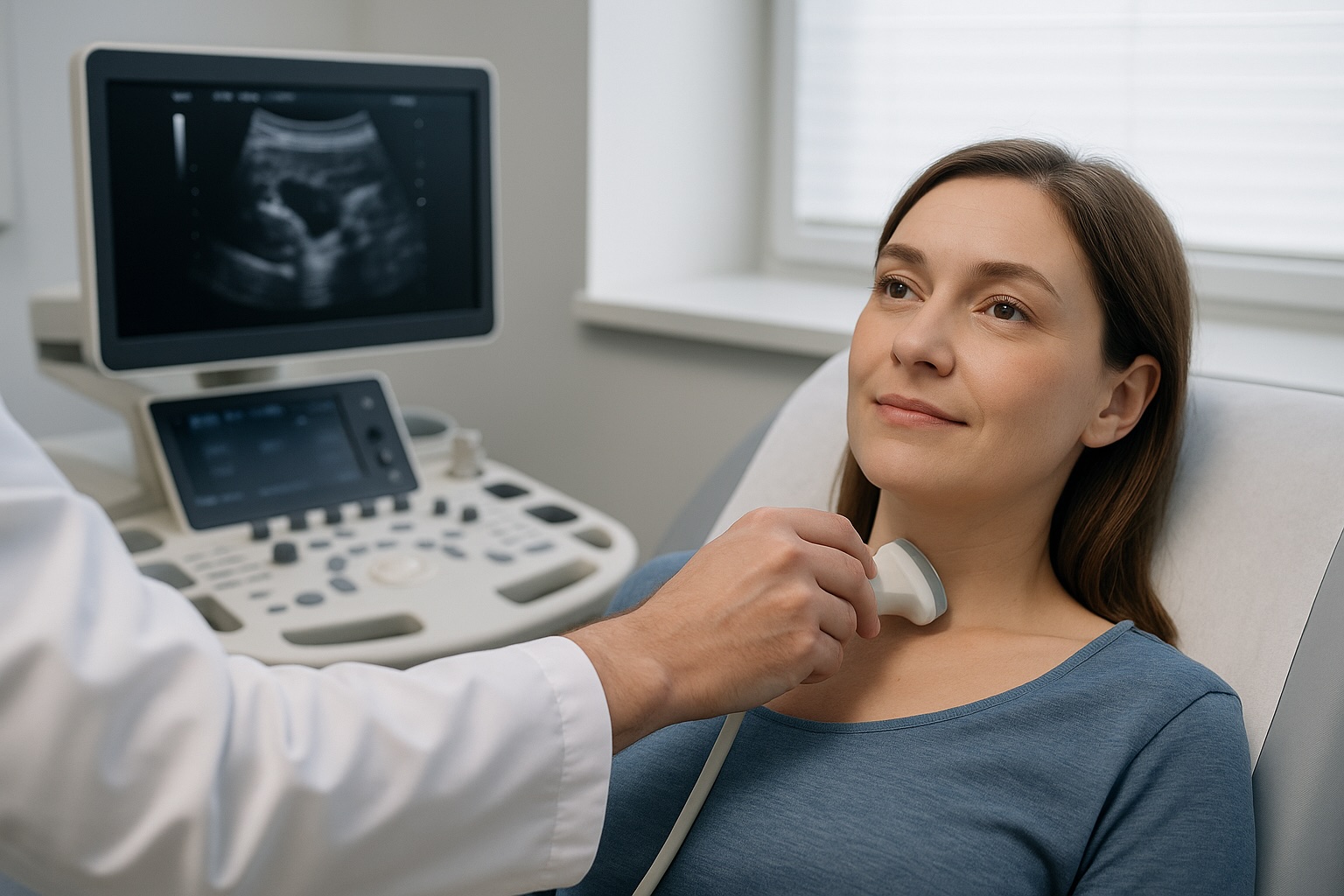
Thyroid radiofrequency ablation, usually called thyroid RFA, uses heat delivered through a thin probe to shrink targeted thyroid tissue. The treatment is guided by ultrasound in real time, which helps keep the treatment precise. Instead of removing part or all of your thyroid through an operation, the goal is to reduce the size of the nodule from the inside.
That difference matters. If your nodule is benign but still bothers you, surgery can feel like more treatment than you want. RFA is often appealing because it can relieve pressure, improve the look of a visible neck lump, and avoid a surgical neck scar.
For patients near Ladera Ranch, this often lands in a practical middle ground. You are not just choosing between doing nothing and having surgery. You may have a third option that is less disruptive to your routine, especially when you can access specialized thyroid care close to Lake Forest through Coastline Endocrinology.
How Thyroid RFA Works
During RFA, a specialist places a thin electrode into the thyroid nodule and uses controlled heat to treat small sections one at a time. Ultrasound acts like a live map during the procedure, showing exactly where the probe is and what tissue is being treated.
You may hear the phrase “moving shot technique.” In plain language, that means the nodule is treated in small zones rather than all at once. Think of it like carefully warming one square of a frozen meal at a time instead of blasting the whole tray unevenly. That step-by-step approach helps protect nearby healthy tissue and important neck structures, including nerves and blood vessels.
Why It Appeals to Patients Who Want to Avoid Surgery
The appeal is pretty straightforward. Many patients want symptom relief without general anesthesia, a hospital-style surgery day, or the recovery that comes with an incision. RFA is usually done as an outpatient procedure, and an outpatient, ultrasound-guided treatment can often avoid general anesthesia and removal of the thyroid gland.
Another reason patients ask about it is thyroid function. When only the problem area is treated, there is often a better chance of preserving normal thyroid tissue. That does not guarantee you will never need thyroid hormone later, but it can reduce that concern compared with removing thyroid tissue surgically in the right situation.
Who May Be a Good Candidate for Thyroid Radiofrequency Ablation Service Near Ladera Ranch
RFA is most commonly used for benign thyroid nodules that cause symptoms, keep growing, or create cosmetic concerns. A benign nodule means biopsy results do not show cancer. That said, a benign label on paper is not the whole story. Size, location, symptoms, ultrasound appearance, and your overall thyroid health all matter.
Careful selection is the entire game here. RFA is not something to choose because it sounds easier. It needs to be the right treatment for the right nodule.
Symptoms and Situations That Often Lead to an RFA Evaluation
You might seek an evaluation if you feel a lump in your neck, notice visible fullness, have trouble swallowing pills or solid food, feel pressure when lying back, or experience discomfort from a nodule that keeps getting bigger. Sometimes the main issue is not pain at all. It is anxiety from seeing a nodule grow on repeat ultrasound even after a benign biopsy.
Cosmetic concerns count too. If a nodule shows through the skin or changes the contour of your neck, that can be a valid reason to talk through treatment instead of continuing to watch it.
If you are comparing nearby care options, it can also help to read about what patients in Aliso Viejo often look for in a provider, especially around evaluation and follow-up.
When RFA May Also Be Considered for Select Small Low-Risk Thyroid Cancers
Surgery remains the standard treatment for most thyroid cancers. That is still the safest starting point for most patients with confirmed cancer.
Still, there are carefully selected situations where RFA may be considered for very small, low-risk thyroid cancers, usually after a detailed specialist review. Research on low-risk papillary thyroid microcarcinoma has shown promising outcomes in selected cases, but this is not a broad replacement for surgery. It is better to think of it as a possible option for a narrow group of patients, not a shortcut.
When RFA May Not Be the Best Option
RFA may not make sense if biopsy findings are suspicious, if the nodule sits in a risky position near sensitive structures, if the nodule is very large, or if your symptoms point to a different thyroid problem that needs another kind of treatment. Some nodules are simply better managed with monitoring. Others are better treated with surgery from the start.
That is why a rushed visit is a problem. You want enough time to review imaging, biopsy history, symptoms, and your goals before choosing anything.

What to Expect Before, During, and After the Procedure
Most anxiety around thyroid RFA comes from not knowing what the process actually looks like. Once you can picture the steps, it usually feels much more manageable.
Your Evaluation and Testing Before Treatment
Before treatment, your thyroid ultrasound is reviewed closely. Your labs matter too, along with any biopsy results you already have. In many cases, guidelines and reviews recommend confirming a benign nodule with more than one biopsy before moving ahead with ablation, especially when the ultrasound picture is not perfectly reassuring.
This part should feel thorough, not rushed. At Coastline Endocrinology, your symptoms, growth pattern, prior reports, and treatment goals should all be explained in plain language so you understand why RFA is, or is not, a good fit.
If you are coming from surrounding areas, you may also want to see how patients from Turtle Rock approach the same decision, since the questions are often similar.
What Happens on Procedure Day
On procedure day, the area is usually numbed locally. You stay awake in many cases, though comfort measures vary based on the plan. Ultrasound is used throughout the procedure to guide the probe and monitor treatment in real time.
The visit is usually far simpler than a hospital surgery day. After treatment and a short monitoring period, many patients go home the same day. That lower-burden experience is a big reason people ask about RFA in the first place.
Recovery, Follow-Up, and When You Notice Results
Recovery is usually manageable, but it is not magic and it is not instant. Mild soreness, swelling, bruising, or a heat sensation can happen soon after treatment. Most of that settles with time.
The nodule then shrinks gradually over weeks and months. Studies have reported 47.7% to 96.9% volume reduction after thyroid RFA, with symptom scores improving as the nodule gets smaller. Some nodules respond after one treatment. Larger nodules may need additional treatment later, and some can regrow over time, which is why follow-up ultrasound matters.
Benefits, Risks, and What the Research Shows
RFA has real advantages, but it is still a medical procedure with limits and risks. Honest counseling should include both.
Potential Benefits You May Care About Most
The biggest benefits are usually symptom relief, visible size reduction, little or no scarring, and less downtime than surgery. There is also the possibility of preserving normal thyroid function, which can be a meaningful concern if you want to avoid lifelong hormone replacement if possible.
The research is reassuring. A review covering 3,409 patients found thyroid RFA was safe and well tolerated overall, and studies consistently show meaningful shrinkage of benign nodules.
Known Risks and Side Effects in Plain Language
The most common side effects are pain, a heat sensation, swelling, bruising, and temporary tenderness. Some patients notice temporary hoarseness or voice changes. Rare complications can happen, including bleeding, nodule rupture, or nerve irritation.
The good news is that serious problems appear to be uncommon. Large published reviews reported no deaths linked to the procedure, and most side effects were minor and temporary. Still, uncommon does not mean impossible. You deserve a balanced conversation, not sales language.
Why Specialist Experience Matters
The thyroid sits in a crowded part of your neck. Small structures matter there. A lot.
That is why experience matters so much with thyroid RFA. Skill in ultrasound guidance, familiarity with the moving-shot technique, and careful case selection all affect safety. The American Thyroid Association emphasizes proceduralist skill requirements and structured follow-up for safe adoption of thyroid ablation.
If you are comparing locations, it can help to review what specialized thyroid care looks like in Irvine, especially when you are deciding how much experience and follow-up support you want.
Thyroid RFA vs Surgery vs Watchful Waiting
Most patients are really choosing among three paths: treat with RFA, proceed with surgery, or keep monitoring the nodule. Each has a place.
RFA vs Thyroid Surgery
Surgery is still the better option when cancer is likely, when the nodule is too large or too complex for ablation, or when another thyroid condition needs an operation. Surgery is definitive, but it also means an incision, more recovery, and a higher chance of needing thyroid hormone depending on how much thyroid tissue is removed.
RFA is less invasive and often easier on your schedule. It may also lower the risk of hoarseness, hypothyroidism, and postoperative pain compared with surgery in selected benign nodules. Just as important, having RFA does not necessarily close the door on future surgery if you ever need it later.
RFA vs Monitoring a Benign Nodule
Sometimes the best choice is to keep watching. If your nodule is small, truly benign, stable on imaging, and not causing symptoms, monitoring can be very reasonable.
But watchful waiting stops making sense when the nodule keeps growing, starts pressing on your throat, affects your confidence because it is visible, or keeps creating uncertainty at every follow-up scan. That is where active treatment becomes worth discussing. Patients making that comparison often find it useful to read how this choice is framed for Newport Beach area visits.
Common Questions About Thyroid RFA
Will You Be Awake During Thyroid RFA?
In many cases, yes. Local numbing is commonly used, and the procedure is often done without general anesthesia. You may feel pressure, warmth, or brief discomfort, but comfort measures are usually built into the visit.
Will You Need Thyroid Hormone After RFA?
Many patients keep normal thyroid function after RFA because the goal is to treat the nodule while preserving as much healthy thyroid tissue as possible. Your risk depends on your baseline thyroid health, antibody status, and the details of your treatment.
Can a Thyroid Nodule Come Back After RFA?
A treated nodule usually shrinks a lot, but some nodules can regrow over time. Long-term follow-up matters for that reason. A small percentage may need repeat treatment or, in some cases, surgery later.
How Do You Prepare for an Appointment?
Bring your thyroid ultrasound reports, biopsy results, lab work, medication list, and a short note about symptoms you have noticed, such as swallowing trouble, neck pressure, visible swelling, or voice changes. If you are ready for a clearer answer about whether RFA fits your situation, Coastline Endocrinology is a smart place to start.
Finding Specialized Thyroid Care Near Ladera Ranch, Turtle Rock, and Lake Forest
Convenience may sound like a small detail, but with thyroid care, it matters more than people expect. Evaluation, procedure planning, treatment, and follow-up imaging all work better when getting to appointments does not feel like a project.
Why Local Access Can Make Follow-Up Easier
From Ladera Ranch, Turtle Rock, Newport Beach, and nearby Orange County communities, Lake Forest is often an easy drive for specialty endocrinology care. That makes it easier to show up for the parts that actually determine a good outcome, including image review, pre-procedure planning, and follow-up ultrasounds.
Continuity matters. If your care stays close to home, it is simpler to track changes over time and make thoughtful decisions if your nodule needs another look later. Patients from nearby coastal communities sometimes compare care expectations in Laguna Niguel when deciding what local follow-up should feel like.
How to Reach Us From Ladera Ranch
Lake Forest, CA 92630

What Supportive Specialty Care Should Feel Like
Good thyroid care should feel calm, clear, and personal. Your symptoms should be taken seriously. Your imaging and labs should be explained in plain English. Your visit should leave you understanding the plan, not more confused than when you arrived.
That is the kind of experience to look for at Coastline Endocrinology. If you are considering Thyroid Radiofrequency Ablation Service near Ladera Ranch, booking an appointment gives you a chance to review your ultrasound, biopsy history, symptoms, and options without feeling pushed toward the wrong treatment. The right plan is the one that fits your nodule, your health, and your priorities.