
Thyroid Radiofrequency Ablation Near Turtle Rock

What Thyroid RFA Is and Why You Might Be Looking Into It Near Turtle Rock
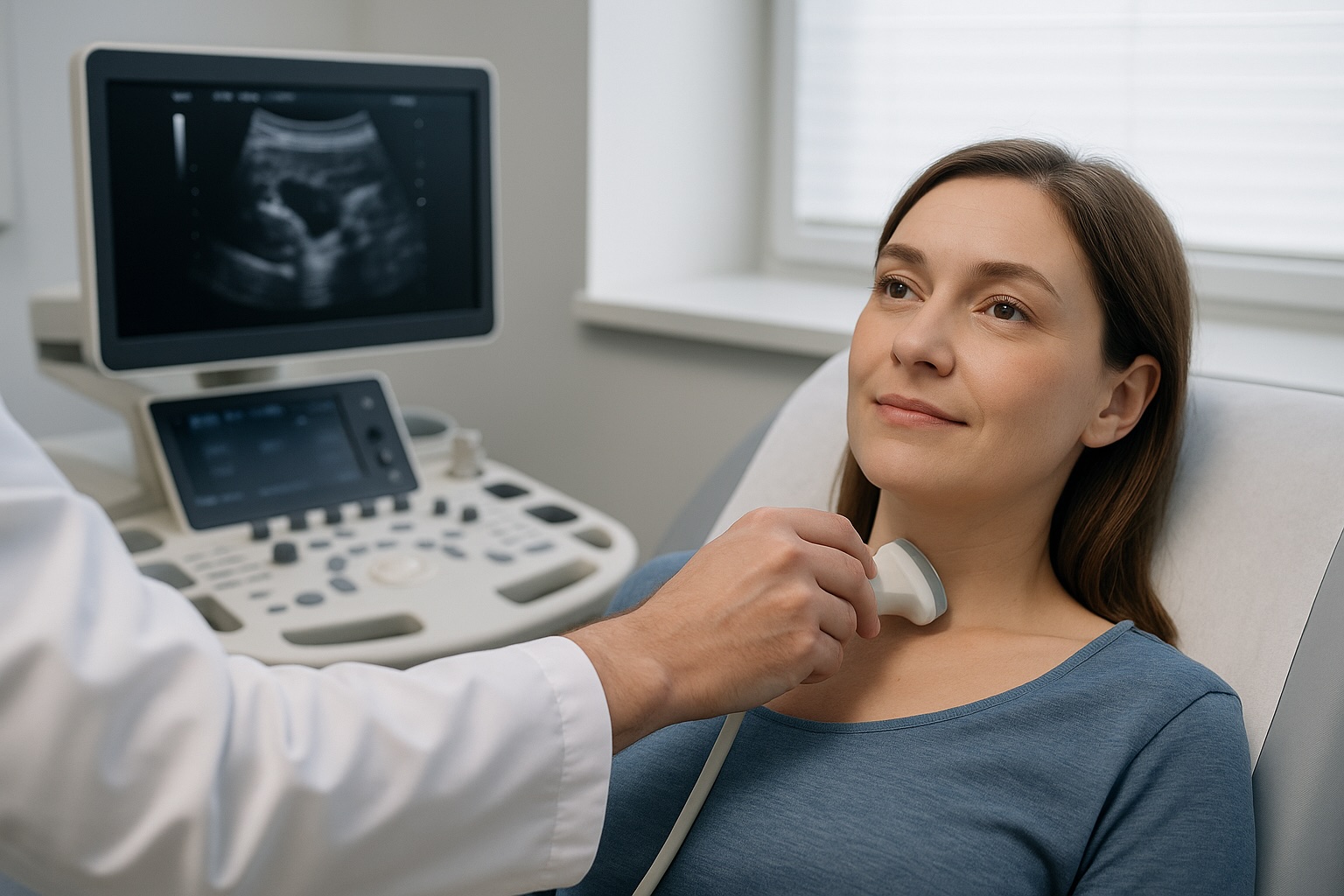
Thyroid radiofrequency ablation, often called RFA, is a minimally invasive treatment that uses heat to shrink certain thyroid nodules. Instead of removing part or all of your thyroid, the treatment uses ultrasound guidance and a thin probe to target the nodule from the inside. Think of it as treating the trouble spot directly, rather than removing the whole structure around it.
That matters if your main problem is a benign thyroid nodule that is pressing on your neck, making swallowing feel awkward, changing the look of your neck, or causing constant awareness that something is “there.” Some people also look into RFA because they want to avoid a scar, a longer recovery, or the possibility of needing lifelong thyroid hormone after surgery.
If you live in Turtle Rock, getting this type of specialty endocrine care does not have to feel out of reach. Lake Forest is a short drive away, and that convenience matters when your care includes consultation, imaging review, treatment planning, and follow-up visits.
When Thyroid RFA Is Usually Considered
RFA is most often considered for benign thyroid nodules that cause symptoms or cosmetic concerns. In plain language, that means the nodule is not cancer on biopsy, but it is still causing enough trouble that you want treatment. Typical examples include neck fullness, pressure, coughing, swallowing discomfort, or a visible bulge.
In select situations, RFA may also come up in conversations about very small, low-risk thyroid cancers, especially papillary thyroid microcarcinoma. But that is a narrower situation and calls for careful review of your biopsy, ultrasound findings, and treatment goals. If you want a broader look at how provider choice can shape the discussion, it can help to compare how nearby areas approach finding the right thyroid RFA provider.
The First Question to Ask: Am I Actually a Good Candidate?
This is the biggest question, and honestly, it should come before talking about schedules, pricing, or even procedure day. Thyroid RFA works best when the right nodule is matched to the right patient.
Candidacy depends on several things at once: biopsy results, how the nodule looks on ultrasound, whether it is growing, what symptoms it is causing, and what you want to avoid or preserve. A person with a bothersome benign nodule may be a strong candidate. A person with suspicious imaging, multiple complex thyroid issues, or a nodule in a risky location may need a different plan.
Has the Nodule Been Confirmed as Benign?
For most benign nodule cases, this question is non-negotiable. Before RFA, guidelines commonly recommend benign biopsy confirmation, and in many cases at least two benign biopsy results before treatment. That may sound repetitive, but the point is simple: you want to be sure you are treating the right problem.
If your nodule has not been properly evaluated, RFA can become the wrong treatment for the wrong diagnosis. Asking about biopsy results protects you from moving too fast.
If Cancer Is Part of the Discussion, Why RFA Instead of Surgery or Active Surveillance?
If your nodule falls into a low-risk cancer category, you should ask exactly why RFA is being recommended. In carefully selected cases, selected low-risk patients may consider RFA instead of surgery or active surveillance, especially if surgery is not a good fit or you do not want to simply watch the nodule over time.
That question forces a useful conversation. Is the goal to remove risk, avoid surgery, preserve thyroid tissue, or limit overtreatment? You should hear a specific reason, not a vague pitch for the latest technology.

What Questions Should You Ask About Safety and Experience?
RFA is not just about having the right device. It is about skill, ultrasound technique, judgment, and follow-up. Published research is reassuring, but outcomes still depend heavily on the person performing the procedure and interpreting what happens afterward.
How Much Experience Do You Have With Thyroid RFA?
This is one of the smartest questions you can ask. You want to know how often thyroid RFA is performed, what types of nodules are treated, and whether your clinician handles follow-up imaging instead of handing that piece off without context.
Experience matters twice here. It matters during treatment, and it matters later when the treated area looks different on ultrasound. If you want another local perspective on evaluating specialists, this overview on choosing care near Northwood is useful for comparison.
What Complications Do You Watch for Most Closely?
Most complications are uncommon and often temporary, but you still want a plain-language answer. The main issues to ask about are pain, bruising, swelling, bleeding, skin irritation, and voice change.
The reassuring part is that a large review of 3,409 patients found no deaths related to thyroid RFA and concluded that serious complications were rare. But rare does not mean irrelevant. You want to know how complications are prevented, how quickly problems are recognized, and what happens if symptoms show up after you go home.
How Will My Voice Be Checked Before and After Treatment?
This question gets overlooked far too often. Voice change is one of the most important complications to discuss because the nerves that affect your voice run close to the thyroid.
You want a baseline voice check before treatment and a clear plan for what happens if your voice sounds different afterward. Research has reported voice changes lasting longer than one month in a small minority of cases, which is exactly why this topic deserves direct discussion up front.
What Results Can You Reasonably Expect?
The goal of thyroid RFA is not instant perfection. The usual goals are more practical than that: less pressure, easier swallowing, less visible swelling, and keeping as much normal thyroid tissue as possible.
Most nodules shrink gradually. That means you may feel improvement before the ultrasound tells the full story, or you may need a little patience before cosmetic change becomes obvious.
How Much Can a Nodule Shrink After RFA?
Results vary a lot, which is normal. Across studies, volume reduction ranged from about 47.7 percent to 96.9 percent over time. That is a wide range because nodules differ in size, composition, and behavior.
A smaller or more favorable nodule may respond very well after one session. A larger nodule may shrink meaningfully but not disappear, and sometimes a second treatment is needed. Improvement is usually gradual, often over several months rather than a few days.
Will RFA Help Me Avoid Thyroid Surgery or Thyroid Hormone Replacement?
This is one of the main reasons patients consider RFA. Because the treatment targets the nodule and tries to preserve the rest of the thyroid, it may lower the chance of needing lifelong hormone replacement compared with surgery.
That does not mean surgery is bad. Sometimes surgery is absolutely the better choice. But if your main issue is a benign symptomatic nodule, preserving normal thyroid tissue can be a real advantage. If you are comparing how this decision is framed in nearby communities, this guide to care decisions near Newport Beach adds helpful context.
What Happens During the Appointment and Recovery?
A good thyroid RFA experience should feel organized, clear, and not rushed. You should know what is being treated, why you are a candidate, what the day looks like, and when follow-up happens.
For many patients coming from Turtle Rock, that process feels easier when specialty endocrinology care is close by in Lake Forest. That means less travel for repeat ultrasounds, lab review, and post-procedure check-ins.
What Is the Procedure Like?
RFA is usually done with local numbing medicine rather than general anesthesia. Ultrasound is used throughout the procedure so the probe can be guided into the nodule with precision. Heat is then applied in a controlled way to treat sections of the nodule.
In many cases, you go home the same day. A review describes thyroid RFA as an outpatient, image-guided treatment that avoids an incision and avoids removing the gland itself. That is a big part of its appeal.
How Should You Prepare, and What Is Recovery Usually Like?
Preparation often includes reviewing your medications, especially anything that could affect bleeding, and getting clear instructions about eating, drinking, and transportation if needed. You should not have to guess about any of that.
Afterward, mild soreness, tenderness, or swelling can happen. Recovery is often shorter and easier than surgery, but it is still a real procedure, not a casual office treatment. If you want a practical comparison point, this piece on what to expect near Laguna Beach helps show how preparation and recovery questions should sound.

What Follow-Up Questions Matter Most After Thyroid RFA?
The procedure is only part of the treatment. Follow-up is where you confirm shrinkage, track symptoms, and make sure the treated area is healing and evolving the way it should.
This matters even more because a treated nodule does not look the same on ultrasound afterward. You want follow-up with someone who understands post-ablation imaging, not someone guessing at changes without experience.
When Will You Need Repeat Ultrasounds or Lab Work?
Ask for a specific timeline. Not “we’ll see how it goes.” Not “come back if something bothers you.” You want actual checkpoints for ultrasound and, when appropriate, thyroid lab work.
That plan matters because some people feel better and assume treatment is finished. It may not be. If your thyroid team gives clear timing for imaging and labs, you are much less likely to miss a problem or delay a needed second treatment.
How Will You Know If the Treatment Worked or If Another Session Is Needed?
Success is usually measured in three ways: your symptoms, the nodule’s size on ultrasound, and stability over time. If pressure improves, swallowing feels easier, and the nodule shrinks steadily, that is a strong sign treatment is doing what it should.
Some nodules, especially larger ones, may need more than one session. That is not necessarily a failure. It may simply reflect the starting size or structure of the nodule.
How Does Thyroid RFA Compare With Surgery, Watching, or Other Treatments?
This is where the conversation gets practical. You are not choosing between “good” and “bad.” You are choosing between different tradeoffs.
RFA vs Surgery
Surgery removes tissue. RFA treats tissue in place. Surgery may be the stronger option if the nodule looks suspicious, if cancer risk is higher, or if your thyroid problem is more complex than one targetable nodule.
RFA usually means no surgical incision, a shorter recovery, and better odds of preserving thyroid function. Surgery, on the other hand, may provide a more definitive path in certain cases. The right choice depends on your diagnosis, not your preference alone.
RFA vs Active Surveillance
Active surveillance means monitoring a low-risk thyroid finding instead of treating it right away. For some very small, low-risk cancers, that can be completely appropriate.
But some patients feel uneasy watching a known thyroid lesion over time, even if the risk is low. Others strongly prefer avoiding any procedure unless growth happens. If you are sorting through that decision, this article on smart questions near Ladera Ranch is another helpful comparison.
Questions to Ask a Thyroid Specialist Near Turtle Rock Before You Book
By the time you book a visit, you should already know the shape of the conversation you want to have. The goal is not to sound medical. The goal is to protect yourself from vague answers.
Helpful Questions to Bring to Your Consultation
Bring a short list and use it. Ask if your nodule has been biopsy-confirmed. Ask if you are a good candidate for RFA specifically, not just “a candidate for treatment.” Ask how many thyroid RFA procedures have been performed, what complications are watched most closely, and how your voice will be protected and checked.
Also ask what follow-up schedule is recommended, whether repeat treatment may be needed, and what happens if symptoms do not improve as expected. Good care should make these answers clear, not rushed or evasive.
How to Reach Us From Turtle Rock
Lake Forest, CA 92630

Finding Convenient, Thorough Thyroid Care Near Turtle Rock
If you are looking into thyroid RFA, convenience matters, but clarity matters more. You want a team that explains ultrasound findings and lab results in plain language, takes time with your questions, and builds a treatment plan around your actual symptoms and priorities.
Coastline Endocrinology offers that kind of patient-centered care for people coming from Turtle Rock, Lake Forest, Newport Beach, and surrounding Orange County communities. When your thyroid concerns deserve more than a rushed visit, booking with Coastline Endocrinology gives you a chance to get thoughtful evaluation, tailored recommendations, and practical guidance on what happens before, during, and after treatment. A short drive can make a big difference when the care is this specialized, and this is exactly the kind of visit worth scheduling.