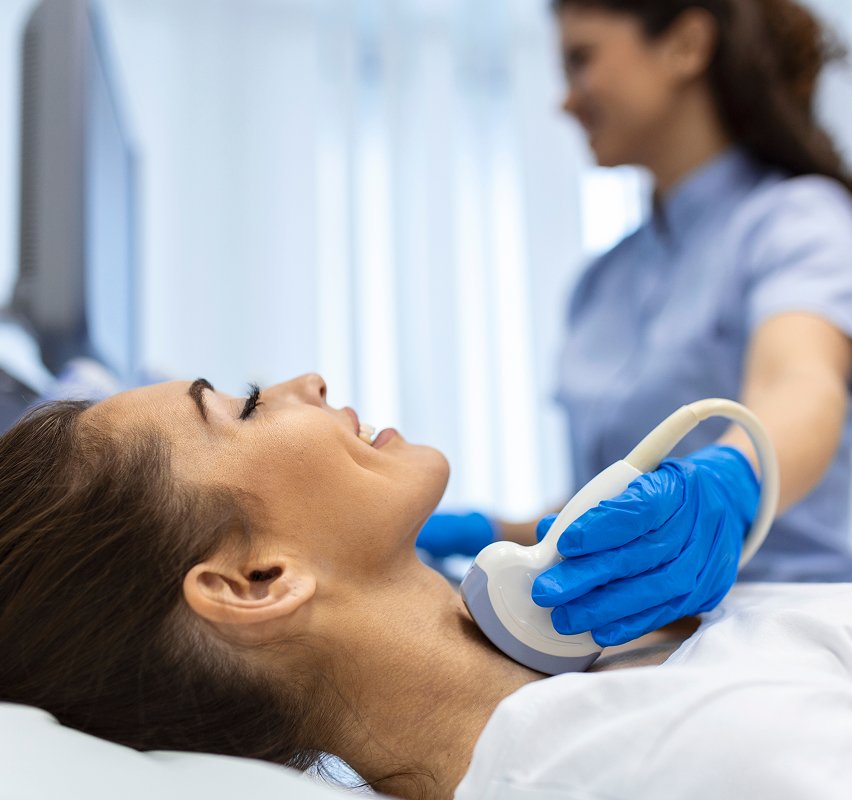
Thyroid Biopsy Services Near Anaheim Hills: What to Expect
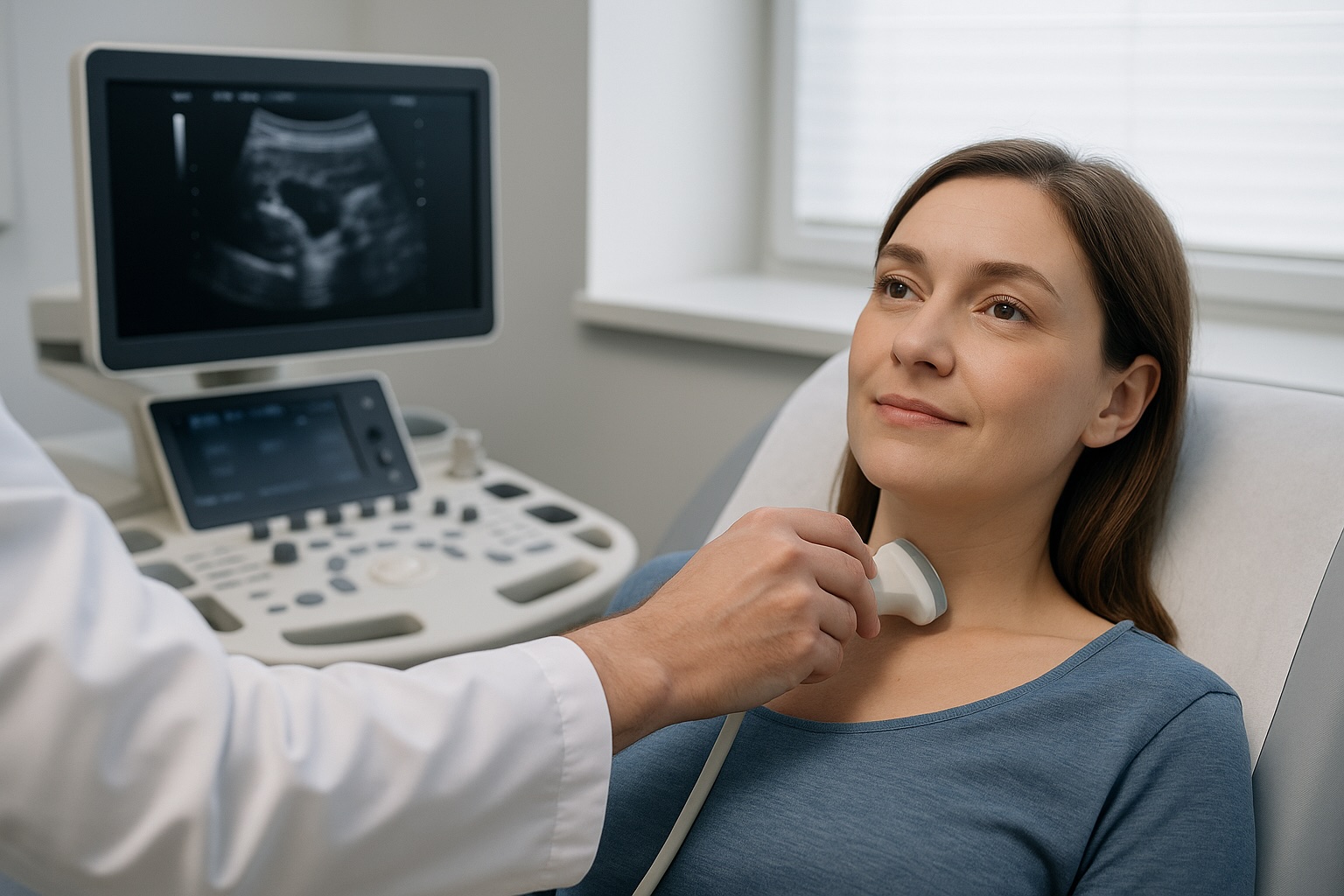

What Thyroid Biopsy Services Near Anaheim Hills Usually Involve
Thyroid biopsy services usually focus on evaluating thyroid nodules, which are lumps or growths in the thyroid gland. The thyroid sits low in the front of your neck and helps regulate energy, metabolism, temperature, and other body functions. When a nodule is found, the goal is to decide whether it looks harmless, needs monitoring, or deserves a closer look with a biopsy.
In most cases, the biopsy used is called a fine-needle aspiration, often shortened to FNA. Think of it as a sampling test rather than a surgery. A very thin needle collects cells from the nodule, and a lab reviews those cells under a microscope.
That matters because thyroid nodules are extremely common. In fact, the American Thyroid Association has estimated that 50% to 70% of adults have thyroid nodules visible on ultrasound. Most never become dangerous. Many do not even cause symptoms.
A biopsy is also usually one step in a bigger evaluation, not the first step and not the only one. Your visit may involve reviewing symptoms, prior lab work, and ultrasound images before anyone decides whether a biopsy is even needed. That is a good thing. Better imaging has improved the ability to sort nodules by risk, which helps avoid unnecessary procedures and overtreatment.
When You Might Be Referred for a Thyroid Biopsy
A thyroid biopsy is often recommended after a nodule is found on ultrasound or another scan. Sometimes a lump is felt during an exam. Sometimes you notice fullness in your neck while swallowing or looking in the mirror. Other times the nodule shows up by accident during imaging for something completely unrelated, like a carotid scan, CT, or MRI.
The recommendation for biopsy usually depends on the size of the nodule, what it looks like on ultrasound, whether it has changed over time, and whether you have symptoms. A suspicious-looking small nodule may deserve more attention than a larger nodule with reassuring features. That can feel counterintuitive at first, but appearance matters.
Worth remembering: a referral for biopsy does not automatically mean cancer. Most nodules are not cancerous, and many biopsies are performed precisely to avoid unnecessary surgery.
Symptoms and Findings That Can Lead to Testing
Some thyroid nodules make themselves known. Others stay completely quiet, which is one reason ultrasound plays such a big role in thyroid care. Quite a few nodules are discovered incidentally, meaning they are found during imaging done for a different reason.
Symptoms can also overlap with other endocrine concerns. If you already deal with fatigue, weight changes, hormone imbalance, or thyroid lab abnormalities, a thyroid workup may feel like one more thing on your plate. Clear explanations matter here, because the testing process should help reduce uncertainty, not add to it.
Signs you might notice
- A lump felt in the lower neck
- Visible swelling or neck fullness
- Pressure when buttoning a collar
- Trouble swallowing certain foods
- Hoarseness or lingering voice changes
Findings that prompt a workup
- A nodule found on ultrasound
- An incidental finding on CT, MRI, or a carotid scan
- Abnormal thyroid lab results
- A nodule that has grown since prior imaging
- Suspicious features on high-resolution imaging
Why Ultrasound Usually Comes First
Ultrasound is usually the starting point because it shows the nodule’s size, shape, edges, and internal appearance. It can also show whether there is one nodule or several, and whether nearby lymph nodes look normal.
That information helps guide the next decision. Some nodules clearly look low risk and only need follow-up imaging later. Others meet criteria for biopsy because of suspicious features or growth. Modern high-resolution ultrasonography has made this process much better and more consistent, helping reduce unnecessary biopsies while still catching nodules that deserve attention.
So if you are wondering why a biopsy was not scheduled immediately, that is often a sign of careful thyroid care, not delay.
What to Expect Before Your Appointment
Before your appointment, the most useful preparation is practical, not complicated. If you have prior thyroid ultrasounds, biopsy reports, lab results, or referral notes, sending those ahead of time can save time and help your visit feel more focused. A current medication list is also worth bringing, especially if you take blood thinners, aspirin, or supplements that may affect bleeding.
Most people do not need to fast. You can usually eat and drink normally before the procedure. Since sedation is not typically used for thyroid FNA, the appointment tends to be much easier than patients expect.
You may also spend part of the visit reviewing the bigger picture. That includes how long the nodule has been known, whether it has grown, whether you have symptoms like pressure or swallowing trouble, and whether thyroid disease runs in your family. A biopsy result makes more sense when it is interpreted alongside everything else.
If your care is being coordinated from Lake Forest or elsewhere in Orange County, having records gathered ahead of time can make the process feel much smoother. That is especially helpful if you are driving in from Anaheim Hills, Turtle Rock, Newport Beach, or another nearby community and want the visit to be efficient and unhurried.
What to Bring to Your First Visit
These details may sound small, but they often make the difference between a rushed visit and a focused one.
Questions to Ask Before the Procedure
A few simple questions can make the appointment feel much less stressful. You may want to confirm whether any medication changes are needed, especially if you take blood thinners. You may also want to ask how long the visit will take, whether you can drive yourself home, and when results are usually expected.
For most thyroid FNAs, you can drive yourself because sedation is not required. The visit itself often takes about 15 to 45 minutes, including preparation and a short recovery period. If initial results are straightforward, they are often available within about a week. If molecular or genetic testing is added for an indeterminate result, the full process can take longer, sometimes three to four weeks.
Knowing that timeline ahead of time helps. Waiting is often the hardest part.
What Happens During a Thyroid Fine-Needle Aspiration Biopsy
During a thyroid fine-needle aspiration biopsy, a thin needle is inserted into the thyroid nodule to collect cells for lab review. It is an outpatient procedure, not surgery, and it is commonly done with ultrasound guidance so the right area can be sampled accurately.
FNA is widely used because it gives useful information with very little disruption to your day. In thyroid care, it remains a first-line diagnostic standard for evaluating nodules that meet biopsy criteria. The actual sampling is brief, and several passes are done so the lab has enough cells from different parts of the nodule.
Step-by-Step During the Visit
Check-in and review
The visit starts with a brief review of your records, symptoms, and imaging so everyone is working from the same picture.
Positioning
In the procedure room, you lie flat with your neck positioned to make the thyroid easier to reach.
Cleaning and numbing
The skin over your neck is cleaned, then numbed with a topical anesthetic spray. Sometimes a local anesthetic is injected as well.
Ultrasound-guided sampling
Ultrasound locates the nodule in real time while the needle is inserted for a few seconds at a time. Each pass lasts only about 5 to 10 seconds, and most biopsies involve four to five passes.
Bandage and short recovery
Gentle pressure is applied, a small bandage is placed, and you may rest briefly before heading home.
Does a Thyroid Biopsy Hurt?
Most people describe a thyroid biopsy as more uncomfortable than painful. You may feel pressure, a quick pinch, or a strange awareness of movement in the neck, but severe pain is uncommon. Honestly, the build-up is often worse than the procedure itself.
Afterward, mild soreness or bruising for a day or two is pretty normal. An ice pack can help, and acetaminophen or another over-the-counter pain reliever is often enough. Most people go right back to normal activities the same day.
Common and minor
- Soreness at the site
- Mild bruising for a day or two
Less common
- Bleeding or infection
- Irritation of nearby neck structures
- A nondiagnostic sample that may need repeating, which happens more often with fluid-filled nodules
When to call us: if you develop fever, chills, or worsening swelling at the site, contact the office promptly at (714) 492-7128.
Have a Thyroid Nodule That Needs a Closer Look?
Ultrasound-guided thyroid biopsy is performed right in our Lake Forest office, so imaging, sampling, and result review all stay with one specialty team. Book online or call (714) 492-7128 to get your evaluation scheduled.
Understanding Your Thyroid Biopsy Results
Thyroid biopsy results are usually reported using the Bethesda System, which sorts the findings into categories such as benign, atypia of undetermined significance, follicular neoplasm, suspicious for malignancy, malignant, or nondiagnostic.
The language can sound intimidating at first. But the point of the system is to turn a gray area into something more understandable, with each category pointing toward the next reasonable step.
Then there is the middle ground, the part that frustrates almost everyone: indeterminate results. About 15% to 30% of FNAs fall into this range, which is why follow-up testing is such an important part of modern thyroid care.
What a Benign Result Usually Means
A benign result is the most common outcome, and it usually means no immediate treatment is needed. Instead, the nodule is monitored over time with periodic ultrasound and follow-up visits.
That can feel oddly unsatisfying if you were hoping for a more dramatic fix. But surveillance is often exactly the right plan. Most benign nodules do not need urgent intervention and are commonly managed with periodic ultrasound surveillance, especially if symptoms are mild or absent.
Follow-up timing is not one-size-fits-all. It depends on the nodule’s size and appearance, whether prior biopsies were reassuring, your symptoms, and your overall thyroid history. In many cases, a follow-up ultrasound around 12 months later is a reasonable starting point.
What Happens If Results Are Indeterminate
Indeterminate results include categories like atypia of undetermined significance and follicular neoplasm. These mean the cells show some changes, but not enough to call the nodule clearly benign or clearly cancerous.
This is where molecular or genetic testing can help. Instead of looking only at the cells under a microscope, the lab checks for gene changes associated with thyroid cancer risk. The goal is not to add confusion. The goal is to avoid unnecessary surgery when the biopsy alone does not give a clean answer.
Genomic tests were developed to help prevent unnecessary surgeries. In one National Cancer Institute-cited study, ThyroSeq correctly identified 94% of cancers after surgery and classified many other nodules as benign. That does not replace judgment, but it gives you and your specialist more to work with.

Next Steps After the Biopsy
After the biopsy, the next step depends on your result, your symptoms, your ultrasound findings, and how the nodule has behaved over time. The plan may be simple monitoring, repeat ultrasound, repeat biopsy, molecular testing, referral to a thyroid surgeon, or treatment planning if cancer is confirmed or strongly suspected.
A good thyroid plan should not feel rushed. It should feel specific to your case.
Sometimes the result answers the question quickly. Sometimes it narrows the question instead. Both can be useful. The real goal is not just to label the nodule, but to help you avoid too much treatment or too little treatment.
When Monitoring Is the Best Plan
Monitoring is often the best plan for benign nodules and some low-risk findings. That does not mean “do nothing.” It means active follow-up with structure: repeat imaging when appropriate, reassessment of symptoms, and comparison over time.
A lot of anxiety comes from feeling that a known nodule is being ignored. But careful surveillance is a form of treatment strategy. It keeps an eye on growth, appearance, and pressure symptoms without pushing you toward surgery you may not need.
Growth alone also does not automatically mean cancer. Benign nodules can enlarge over time, which is one reason follow-up decisions are based on the full picture rather than a single measurement.
When You May Need Additional Treatment
Additional treatment may be recommended if the nodule causes pressure, swallowing difficulty, or visible enlargement, or if follow-up imaging shows concerning changes. Surgery may also be discussed if biopsy results are suspicious or malignant, or if molecular testing suggests a higher cancer risk.
If cancer is confirmed, the news is understandably upsetting. The reassuring part is that many thyroid cancers have an excellent prognosis, especially when found early and managed thoughtfully.
The best next step should match your actual level of risk, not just your level of worry.
Common Questions About Thyroid Biopsy Services Near Anaheim Hills
How long does the appointment take?
Most thyroid biopsy appointments take about 15 to 45 minutes. That usually includes check-in, review of imaging, preparation of the skin, ultrasound guidance, the biopsy itself, and a short recovery period afterward. The procedure portion is only part of that time. The rest is spent making sure the right nodule is being sampled and that you leave with clear aftercare instructions.
Do you need someone to drive you?
In many cases, no. Since sedation is usually not used for thyroid FNA, most people can drive themselves to and from the appointment. If you have been given different instructions because of medications or a specific medical issue, follow those. You are still welcome to bring a support person if that helps you feel more at ease.
Are virtual visits part of the process?
Virtual visits can be very helpful in thyroid care, especially for reviewing results, discussing whether molecular testing is needed, and planning follow-up after the biopsy. Not every part of the process can happen virtually, of course. The biopsy itself is in person. But result review and treatment discussions may be a good fit for telehealth when appropriate.
What should you bring to your first visit?
Bring your insurance information, photo ID, medication list, prior thyroid lab results, ultrasound reports, past biopsy reports if you have them, and referral notes if another clinician sent you. If you have imaging on disc or through a portal, make sure that access is available ahead of time if possible.
Finding Specialized Thyroid Care Conveniently From Anaheim Hills
If you are looking for specialized thyroid care near Anaheim Hills, convenience matters more than people admit. When you are already dealing with uncertainty, a manageable drive, coordinated records, and clear communication can take a lot of friction out of the process.
Seeing a specialist for thyroid nodules can also help when your health picture is more complicated. If you are also managing diabetes, weight concerns, osteoporosis, hormone imbalance, or another endocrine condition, it helps to have thyroid findings interpreted in the context of your broader health, not in isolation.
The right visit should feel thorough but not overwhelming. Your imaging should be reviewed carefully. Your symptoms should be taken seriously. Your results should be explained in plain language, without rushing past the parts that are actually worrying you.
Easy Access From Anaheim Hills, Turtle Rock, Newport Beach, and Nearby Communities
A short drive to Lake Forest can make specialized endocrine care feel much more accessible than expected. That is especially true if you live in Anaheim Hills, Turtle Rock, Newport Beach, or elsewhere in Orange County and want focused thyroid evaluation without feeling like you are traveling far from home.
Local access matters for more than convenience. Thyroid nodules often require follow-up, and follow-up is easier to keep up with when appointments, imaging review, and result discussions fit into real life.
What Supportive, Patient-Focused Care Should Feel Like
Supportive thyroid care should feel calm, clear, and personal. You should leave understanding why a biopsy is or is not needed, what happened during the procedure, when results are expected, and what the possible next steps are.
You should also expect unhurried conversations, tailored planning, and straightforward preparation instructions. If on-site coordination or virtual follow-up is available, that can make the entire process smoother from the first ultrasound review to the final treatment decision.
Once you understand how thyroid biopsy services actually work, the process usually feels much less intimidating. It becomes what it really is: a careful way to get answers, avoid unnecessary treatment, and make decisions based on evidence instead of fear.
How to Reach Us From Anaheim Hills
Getting to our Lake Forest office from Anaheim Hills is an easy inland run. By car, take Santa Ana Canyon Road or Weir Canyon Road to the 241 toll road southbound, continue past Portola Parkway, and follow local streets toward Bake Parkway and Commercentre Drive. If you prefer to avoid the toll road, the 55 to the I-5 south is a reliable alternative. OCTA bus service also connects the Anaheim Hills area toward central Orange County with transfers toward Lake Forest, so plan your connections ahead of time.
Lake Forest, CA 92630
Schedule Your Thyroid Evaluation Today
Once you know what to expect, the next step is the easy part. If you have a thyroid nodule, an abnormal ultrasound, or a referral that mentions a possible biopsy, the team at Coastline Endocrinology is ready to help patients from Anaheim Hills and across Orange County get clear answers. Call us at (714) 492-7128 or visit our office at 25381 Commercentre Dr, Lake Forest, CA 92630 to book your appointment. Virtual visits are available for result reviews and follow-up planning, so you can handle much of the process from wherever you feel most comfortable.