
Thyroid Radiofrequency Ablation Near Aliso Viejo

What Thyroid RFA Is and Why You Might Be Looking for It Near Aliso Viejo
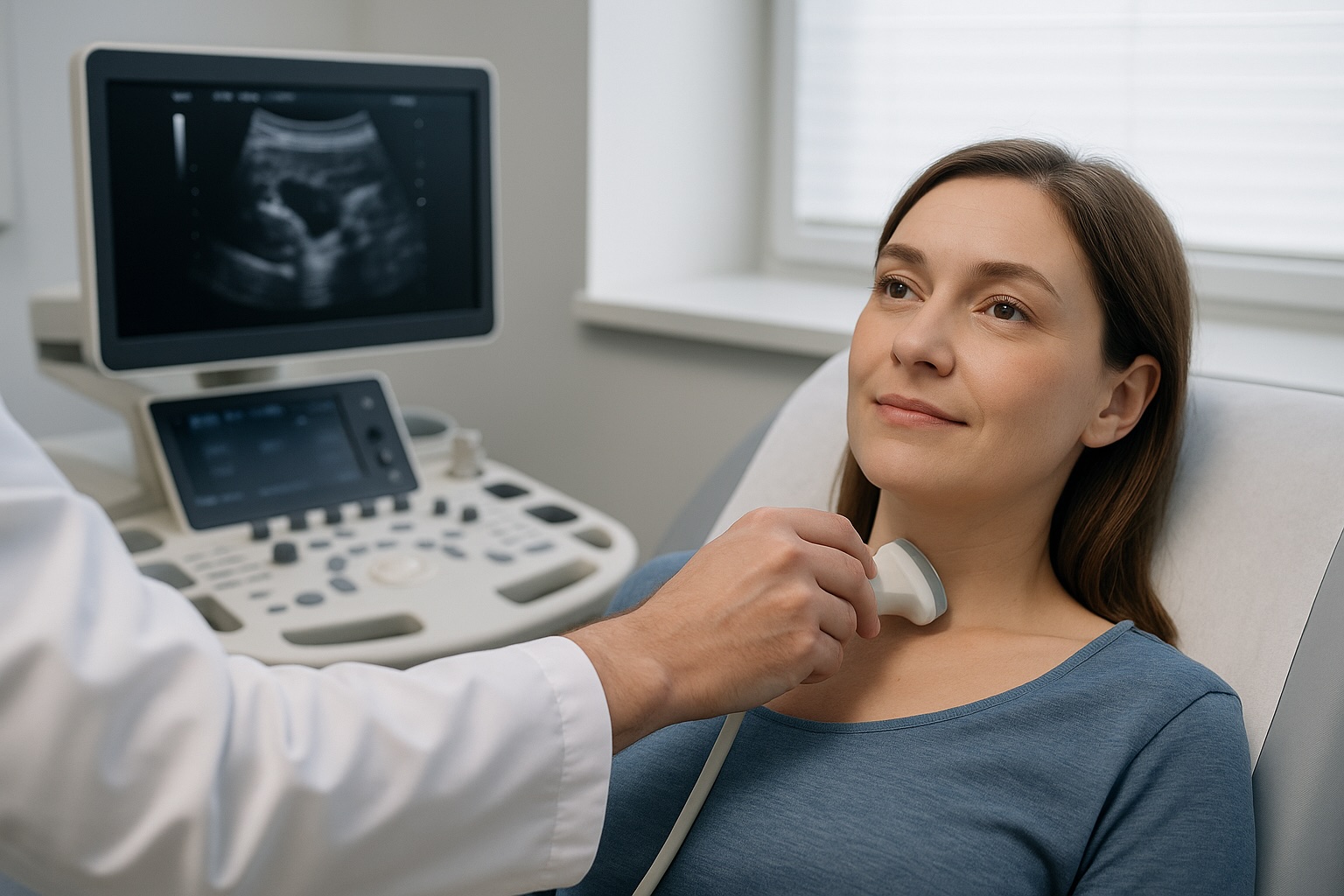
Thyroid radiofrequency ablation, usually called thyroid RFA, uses heat to treat a thyroid nodule from the inside. A thin probe is guided into the nodule with ultrasound, and the targeted tissue is heated so it shrinks over time while as much normal thyroid tissue as possible is left alone. In plain language, it is a focused treatment for the nodule, not removal of the whole thyroid.
That difference is exactly why many people start searching close to home. If your nodule is pressing on your throat, making swallowing uncomfortable, creating a visible fullness in your neck, or causing hormone-related symptoms, you may want relief without a hospital stay or a surgical scar. For many benign nodules, a minimally invasive outpatient option can feel much more manageable than surgery.
Why RFA Feels Different From Surgery
Surgery removes part or all of the thyroid. RFA treats the problem spot directly and preserves most of the gland. Think of it like treating one damaged area in a wall instead of tearing down the entire room.
For you, that usually means less disruption. Thyroid RFA is commonly done as an outpatient procedure, recovery is often quicker, and the goal is to reduce pressure, visibility, and hormone overactivity while keeping normal thyroid function intact. That appeal is easy to understand, especially if your life is busy and you want a less invasive path.
When Thyroid RFA May Be a Good Fit for You
RFA is most often a good fit when your thyroid nodule has already been shown to be benign and it is actually bothering you. The best-supported cases tend to be nodules that are solid or mostly solid, especially when they cause symptoms or cosmetic concerns. It can also help some autonomously functioning nodules, which are nodules that make thyroid hormone on their own and can push you toward hyperthyroid symptoms.
A good evaluation should sort out more than just nodule size. You want to know what kind of nodule it is, whether it is causing hormone changes, and whether treatment should focus on shrinking it, calming overactivity, or ruling out something more serious. If you are comparing locations, it can help to see how evaluation standards line up in nearby communities, including this guide to what to look for in Irvine-area thyroid care.
Signs Your Thyroid Nodule May Be Causing Problems
Some thyroid nodules do nothing at all. Others are impossible to ignore.
You may notice neck pressure, a feeling of fullness in your throat, trouble swallowing, or a visible lump that seems more obvious in photos or in the mirror. Some nodules can also affect your voice and leave you sounding hoarse. If the nodule is overactive, you may feel shaky, warm, anxious, or like your heart is racing for no clear reason.
Those symptoms do not automatically mean you need RFA, but they do mean your nodule deserves careful attention.
When RFA May Not Be the Right Option
Not every thyroid nodule should be treated with RFA. If the ultrasound looks suspicious, if biopsy results are unclear, or if cancer is a concern, the right next step may be more testing or surgery instead.
There are some highly selected cases where ablation is considered for very small thyroid cancers, usually under 1 cm, or for recurrent disease when surgery is not a good option. But that is not the standard first stop. For most people, RFA works best when the nodule is clearly benign and the goal is symptom relief, not cancer treatment.

How to Find the Right Thyroid RFA Provider Near Aliso Viejo
Location matters, but it should not be your only filter. The right provider should have experience with thyroid ultrasound, careful diagnostic work, and a clear process for deciding who is and is not a good candidate for RFA.
That last part matters a lot. A provider who recommends RFA too quickly can miss the real issue. A strong evaluation protects you from getting the wrong treatment for the wrong nodule. If you are comparing nearby options, it is worth noticing how practices explain candidacy, imaging, and follow-up, including this resource on how patients compare nearby options around Turtle Rock.
At Coastline Endocrinology, that patient-first approach should feel obvious from the start. Your history, symptoms, labs, imaging, and goals should all be reviewed carefully, and your treatment plan should be explained in plain English, not rushed medical shorthand.
Questions to Ask Before You Book
Before you schedule, pay attention to practical questions. How often is thyroid RFA performed? Is thyroid ultrasound done in the office or sent elsewhere? How is the benign nature of the nodule confirmed? What kinds of nodules are treated most often, solid, mostly solid, functioning, or recurrent? What follow-up is included after treatment?
Those questions are not picky. They are how you find out whether a practice has a real thyroid RFA workflow or just mentions it on a webpage.
What Strong Thyroid RFA Evaluation Should Include
A proper workup usually starts with your medical history and a clear review of symptoms. After that, thyroid lab testing helps show whether your gland is functioning normally, and a detailed ultrasound helps define the nodule’s size, structure, and location.
In many cases, fine-needle aspiration or biopsy confirmation is part of the process before treatment. That thoroughness is not red tape. It is the step that separates safe, appropriate care from guesswork. If you want another example of what careful screening looks like in nearby Orange County communities, this article on choosing care near Laguna Niguel is useful context.
What to Expect Before, During, and After the Procedure
Most people want the same basic answer: what is this actually like? Fair question.
Before the procedure, you can expect instructions about medications, eating or drinking, and arrival timing. Your thyroid imaging and labs are usually reviewed again so nothing is being treated based on outdated information. The visit is typically outpatient, which means you come in, have the procedure, recover for a short period, and go home the same day.
During the Procedure
During thyroid RFA, ultrasound is used the whole time to guide the probe into the nodule. Once it is in position, radiofrequency energy creates heat that treats the targeted tissue while nearby structures are carefully avoided. The treatment zone can reach about 60 to 100°C, which sounds intense, but the process is controlled and precise.
Treatment often takes about 30 to 60 minutes, depending on the size and complexity of the nodule. Comfort is managed during the procedure, and the goal is to make the experience tolerable and straightforward, not overwhelming.
Recovery and Follow-Up
Recovery is usually easier than recovery from surgery, but the results are not instant. You may have some soreness, tenderness, swelling, or mild bruising for a short time. Most people return to regular activities fairly quickly.
The bigger change happens gradually. Many nodules show significant shrinkage within 6 months, and reduction can reach 50 to 80 percent within a year. Follow-up matters because your provider needs to track not just the size change, but also your symptoms and thyroid function. If you are looking beyond Aliso Viejo, this overview of what recovery tends to look like near Newport Beach can help set expectations.
Benefits, Risks, and Realistic Results
Thyroid RFA has real advantages, but it is not magic. The goal is improvement, not perfection overnight.
If your nodule is the right kind and your evaluation is solid, RFA can reduce pressure, improve swallowing comfort, and make a visible lump less noticeable. Just keep in mind that shrinkage takes time, and some nodules, especially larger or overactive ones, may need more than one treatment session.
Benefits You Can Expect
The biggest benefit is that RFA treats the nodule while preserving the rest of your thyroid. That can mean less scarring, less downtime, and in some cases avoiding surgery altogether. It may also lower the chance that you will need lifelong thyroid hormone replacement, depending on your situation.
For autonomously functioning nodules, another upside is that reducing the overactive tissue may help calm hormone-related symptoms while keeping healthy tissue intact. Honestly, that balance is what makes RFA so appealing.
Risks and Limitations to Understand
No procedure is risk-free. Temporary discomfort, swelling, bruising, and voice changes can happen. Some nodules do not shrink as much as hoped after one session, and larger nodules may need repeat treatment.
The other limitation is candidacy. If the diagnosis is uncertain, RFA should not be used as a shortcut around proper evaluation. That is one more reason to choose a clinic that takes its time and explains every step clearly.

Local Convenience Matters: Getting Thyroid Care Near Aliso Viejo, Lake Forest, and Nearby Communities
Convenience is not just about the drive. It affects how easily you can complete testing, keep follow-up visits, and get answers when you need them.
If you live near Aliso Viejo, Lake Forest, Turtle Rock, Newport Beach, or surrounding Orange County neighborhoods, finding specialized thyroid care nearby can make the whole process feel less stressful. Shorter travel time helps, but so does knowing you can get coordinated care without bouncing between too many offices. If you are also comparing neighboring areas, this guide for patients coming from Dana Point gives another local perspective.
Coastline Endocrinology is built around that kind of accessible care. If your thyroid symptoms are affecting your comfort, appearance, or peace of mind, booking an appointment can give you a clear answer about whether RFA fits your situation.
What a Patient-Friendly Local Practice Should Offer
A patient-friendly thyroid practice should make each step easier, not harder. You should get clear appointment instructions, enough time to talk through symptoms, plain-language explanations of ultrasound and lab results, and a treatment plan that actually fits your life.
On-site imaging or testing can make the process smoother when available, and virtual follow-ups can help with convenience after treatment. Easy online scheduling or phone booking also matters more than it sounds. When your throat feels uncomfortable or your thyroid symptoms are making you anxious, simple access to care is a real benefit.
Common Questions About Thyroid Radiofrequency Ablation
Is Thyroid RFA Painful?
Most people describe thyroid RFA as uncomfortable rather than truly painful. You may feel pressure, heat, or brief zapping sensations during treatment, but comfort measures are used to make the experience manageable. Some soreness afterward is normal, though it usually settles down fairly quickly.
How Quickly Will the Nodule Shrink?
The nodule does not disappear the day of the procedure. Shrinkage is gradual, and that is normal. Many people start noticing meaningful improvement over the next several months, with more obvious size reduction by the 6-month mark and continued change after that.
Will You Still Need Thyroid Medication After RFA?
One of the goals of RFA is to preserve healthy thyroid tissue, which may help you avoid hormone replacement in the right situation. Still, your outcome depends on your starting thyroid function, the type of nodule, and how much of the gland is already affected. Follow-up labs help answer that clearly.
Is RFA Covered by Insurance?
Coverage varies by plan and by the details of your case. Before scheduling, ask about benefits, prior authorization, and expected out-of-pocket costs. A helpful office should walk you through those details before the procedure, not after.
How to Reach Us From Aliso Viejo
Lake Forest, CA 92630

What Changes Once You Understand Your Options
Once you understand thyroid RFA, the search stops being just “Who offers this near Aliso Viejo?” and becomes “Who can tell you, with confidence, whether this is the right treatment for your nodule?” That is the real decision.
If you want careful evaluation, clear answers, and local access to specialized thyroid care, Coastline Endocrinology is the place to start. A thoughtful appointment can tell you whether RFA makes sense, whether another treatment fits better, and what your next step should be without guesswork.