
Thyroid Radiofrequency Ablation Near Monarch Beach
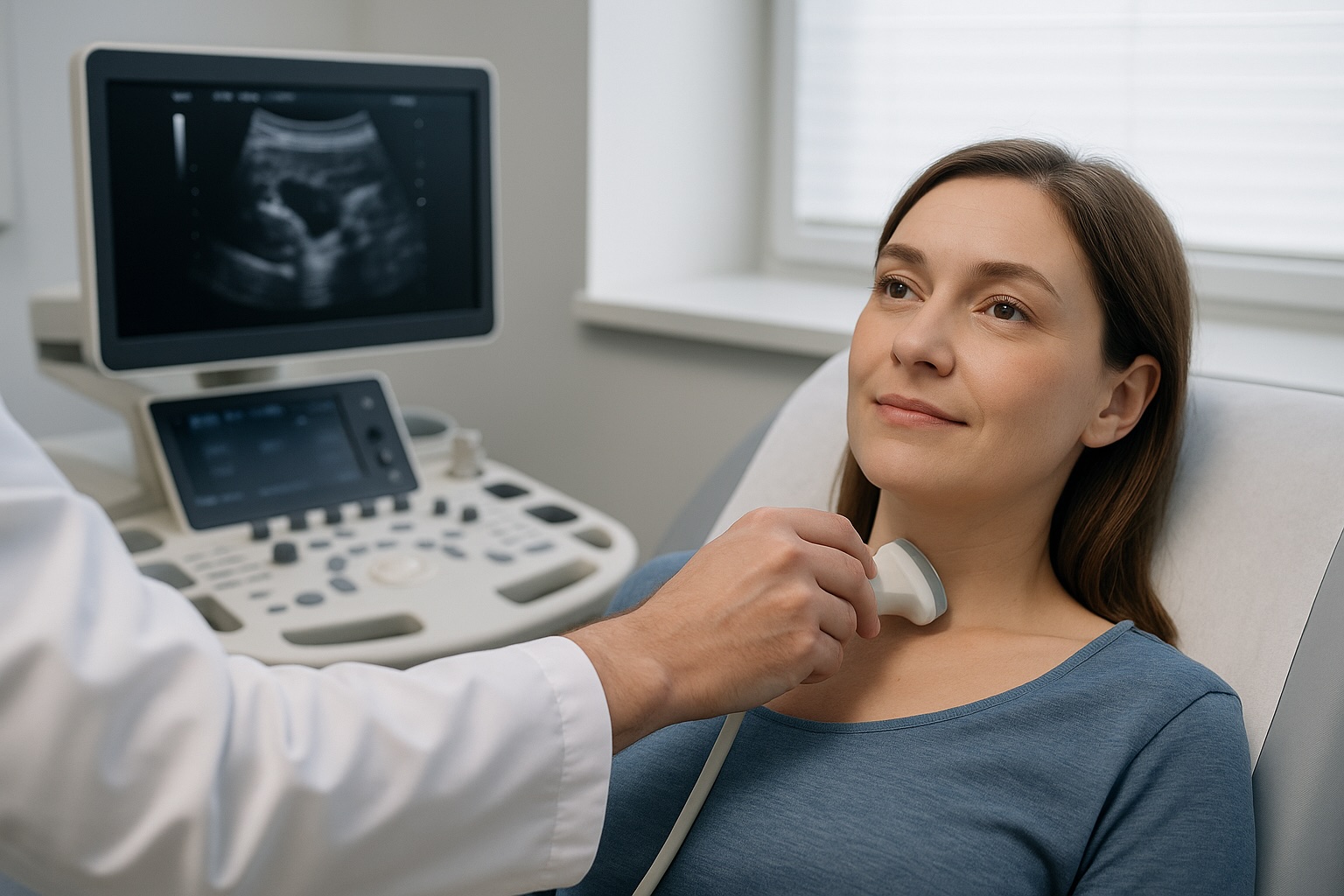

What Thyroid RFA Is and Why You Might Be Looking for It Near Monarch Beach
Thyroid radiofrequency ablation, often called thyroid RFA, treats targeted thyroid tissue with controlled heat delivered through a thin probe while ultrasound guides the entire process. In plain language, it is a way to shrink some thyroid nodules from the inside rather than removing part or all of the thyroid through surgery.
Why does that matter to you? Because some thyroid nodules are not dangerous, but they still cause real problems. A benign nodule can press on your throat, make swallowing feel strange, create a visible bulge in your neck, or simply make you feel uncomfortable every time you look in the mirror. For some people, RFA offers relief without the recovery and scarring that come with an operation.
If you live near Monarch Beach, Newport Beach, Turtle Rock, or Lake Forest, access matters too. You want specialized thyroid care close enough to feel manageable, with visits that are thorough and not rushed. Coastline Endocrinology offers that kind of evaluation, so you can find out if RFA makes sense for your specific nodule rather than guessing based on internet summaries.
When Thyroid RFA May Be an Option for You
RFA is not for every thyroid problem. The best way to think about it is as a selective tool, not a blanket solution. The goal is careful matching: the right treatment for the right nodule.
Benign Thyroid Nodules That Cause Symptoms or Bother You Cosmetically
This is the most common situation. If testing shows that your thyroid nodule is benign and it is causing pressure, trouble swallowing, local discomfort, or a visible lump, RFA may be considered. Some people seek treatment because the nodule is growing even though it is noncancerous. Others mainly want relief from the neck fullness or cosmetic change.
A good analogy is a balloon in the wrong place. Even if the balloon is harmless, it can still press on nearby space and become annoying. RFA aims to shrink that balloon gradually over time.
Published guidance from the American Thyroid Association notes that thyroid ablation can be a valid alternative to surgery for selected patients with symptomatic benign nodules, but only with careful selection and counseling. That careful selection is exactly the point.
If you want a nearby comparison for how candidacy questions are approached in neighboring communities, it helps to read about what patients in Newport Beach often consider.
Selected Low-Risk Thyroid Cancers
RFA may also be considered in some carefully selected cases of small, low-risk thyroid cancer, especially low-risk papillary thyroid microcarcinoma. But this is a different conversation from benign nodules. The diagnosis, goals, and follow-up are not the same.
For cancer-related use, details matter a lot: ultrasound appearance, biopsy findings, exact size, exact location, and overall risk. A small lesion in a favorable spot is very different from a higher-risk or less clearly defined cancer. The 2025 American Thyroid Association guidelines now recognize thermal ablation as a treatment option in selected low-risk cases, which reflects how much the field has evolved.
Still, no honest thyroid specialist should present RFA as a one-size-fits-all cancer treatment. It is an option for some people, not all.
When Another Treatment May Make More Sense
Sometimes surgery is simply the better plan. That may be true if the nodule is large, the biopsy is unclear, the anatomy raises safety concerns, or the findings suggest a higher-risk cancer process. In other situations, monitoring with ultrasound may be more sensible than any procedure at all.
This is where a careful endocrine evaluation matters. If you are comparing local options, you may also want to see how patients near Turtle Rock can think through the right questions before committing to treatment.

How Candidacy Is Decided Before Treatment
Before you schedule RFA, your thyroid has to be understood clearly. Not just glanced at. Really understood.
Your Ultrasound, Biopsy, and Lab Review
Ultrasound maps the nodule’s size, shape, and position in your neck. It shows how close the nodule is to nearby structures and helps determine whether ablation looks technically appropriate. Biopsy results help confirm what the nodule is. Thyroid blood work shows how your gland is functioning and whether hormone levels need separate attention.
All of that should be explained in plain language. If a nodule is benign, you should know what that means. If findings are uncertain, you should know that too. Coastline Endocrinology focuses on making those results understandable, so your decision is based on clarity, not confusion.
Questions About Symptoms, Medical History, and Your Goals
Numbers and images are only part of the picture. Your day-to-day symptoms matter. Your medical history matters. Your goals matter too.
Maybe you want to avoid surgery if possible. Maybe your main concern is swallowing discomfort. Maybe you are already managing diabetes, weight changes, osteoporosis, or another hormone issue and want thyroid care that fits into the larger picture of your health. That broader view matters in endocrinology, because thyroid decisions do not happen in a vacuum.
What to Expect During a Thyroid RFA Visit
If the phrase radiofrequency ablation sounds intimidating, the actual visit is usually much more straightforward than you might expect.
Before Your Appointment
Before treatment, your medications are reviewed and you receive instructions about what to do ahead of time, including any guidance about eating, drinking, or timing of certain medicines if needed. You should also know what records to bring, such as prior ultrasounds, biopsy reports, or lab results.
Clear prep makes a big difference. You should not feel like you are piecing together instructions on your own. Coastline Endocrinology keeps the process organized, from booking to pre-visit guidance, so you know what your appointment is for and how to prepare.
If you are looking at nearby areas with similar access questions, this guide for Irvine-area patients can help you think through logistics and care expectations.
During the Procedure
Thyroid RFA is typically performed as an outpatient procedure. Ultrasound is used throughout the visit so the treatment stays focused on the targeted tissue. The area is numbed locally, then a thin probe is placed into the nodule. Controlled heat is applied in a careful pattern to treat the tissue while protecting nearby structures as much as possible.
That is the big advantage. Instead of making an incision and removing thyroid tissue surgically, the treatment works through a small needle-like approach under imaging guidance. In a long-term benign nodule study, a typical session involved about 14 minutes of treatment time, though exact timing varies by nodule size and complexity.
After the Procedure and Recovery
Afterward, you usually go home the same day. Mild soreness, tenderness, or some swelling can happen, but recovery is generally easier than surgical recovery. Many people get back to normal routines fairly quickly.
The part that surprises some patients is that the nodule does not vanish overnight. RFA starts the shrinking process, then your body gradually reabsorbs treated tissue over the following months. Follow-up visits and ultrasound matter because the real result shows up over time, not in a single afternoon.
How Well Thyroid RFA Works
RFA has gained attention because outcomes have been encouraging, especially for appropriately selected patients with benign nodules and certain low-risk cancers.
Expected Nodule Shrinkage and Symptom Relief
For benign nodules, shrinkage tends to happen gradually over months. A 5-year observational study found that nodule size decreased significantly by 6 months and continued improving at 1 and 2 years. Smaller nodules responded especially well, which is useful to know if your nodule was caught before becoming very large.
That shrinkage often translates into real-life improvement. Pressure can ease. Swallowing can feel more normal. Visible bulging often becomes less noticeable. The same study also found improvement in compressive symptoms and cosmetic concerns, which is exactly why many people pursue treatment in the first place.
Safety, Risks, and What Research Shows
No procedure is risk-free, and RFA should never be described that way. But the published data are reassuring when patients are chosen carefully. In a 2024 meta-analysis of low-risk papillary thyroid microcarcinoma, the pooled complication rate was 2.80%, with no severe or delayed complications reported in the included studies.
For low-risk PTMC, the same review reported a final 99.81% volume reduction over long-term follow-up. That is impressive, but the catch is patient selection. Outcomes depend on size, location, diagnosis, and whether the nodule is truly a good fit for ablation.
Common Questions About Thyroid RFA vs Surgery
Most uncertainty about RFA comes from comparing it to surgery. That comparison is reasonable, but it helps to keep it grounded.
Is RFA a Replacement for Thyroid Surgery?
No. RFA is not a universal replacement for thyroid surgery. It is one treatment option for selected benign nodules and some carefully chosen low-risk cancers. Surgery still plays a major role in thyroid care, especially when the nodule is high risk, unclear, too large, or poorly positioned for ablation.
A good thyroid evaluation should not push you toward one option before the facts are clear. It should show you where RFA fits, and where it does not.
Will the Nodule Disappear Right Away?
Usually not. Shrinkage is gradual. You may feel some early change, but the bigger result unfolds over months. That is normal and expected.
Think of it more like a slow deflation than a sudden removal. Follow-up ultrasound tracks that progress objectively.
Can a Nodule Grow Back?
Sometimes, yes. Some nodules can regrow or may need additional monitoring. In the long-term benign nodule study, a small number of cases showed regrowth after initial improvement. That does not mean the treatment failed across the board. It means follow-up still matters, even when early results look good.
If you are comparing nearby communities where long-term follow-up may be part of the decision, this look at Laguna Beach-area care adds useful context.

What Local Patients Near Monarch Beach Should Look for in Thyroid Care
The procedure itself matters, but so does the care around it.
Experience, Ultrasound Guidance, and Clear Follow-Up
Look for a setting where your imaging is reviewed carefully, your biopsy history is taken seriously, and your follow-up plan is clear before treatment even begins. You should have enough time to ask questions, hear your options in plain language, and understand what improvement is realistic.
That kind of thoroughness matters more than marketing language. RFA works best in the right hands, with the right setup, for the right patient.
Convenient Access From Monarch Beach, Newport Beach, Turtle Rock, and Lake Forest
Local access makes ongoing care much easier. A manageable drive from Monarch Beach or nearby communities means you are more likely to keep follow-up visits, review imaging on time, and stay connected if symptoms change. For some appointments, virtual follow-up may also make things simpler.
Coastline Endocrinology offers specialized endocrine care close to home, so you are not bounced from office to office trying to coordinate thyroid imaging, lab review, and treatment planning alone. If you are also weighing options in neighboring areas, patients near Dana Point often focus on similar practical concerns.
How to Reach Us From Monarch Beach
Lake Forest, CA 92630

Next Steps If You Are Considering Thyroid RFA Near Monarch Beach
If you are considering a Thyroid Radiofrequency Ablation Service near Monarch Beach, the first step is not committing to the procedure. The first step is finding out if you are actually a good candidate.
Gather prior ultrasound reports, biopsy results, and thyroid labs if you have them. Bring your questions. Pay attention to whether your symptoms, imaging, and goals are being taken seriously. If you want attentive, local thyroid care with clear explanations and a personalized plan, book an evaluation with Coastline Endocrinology. That visit can tell you something valuable right away: whether RFA fits your thyroid nodule, or whether another path makes more sense for your health.