
Thyroid Radiofrequency Ablation Near Villa Park
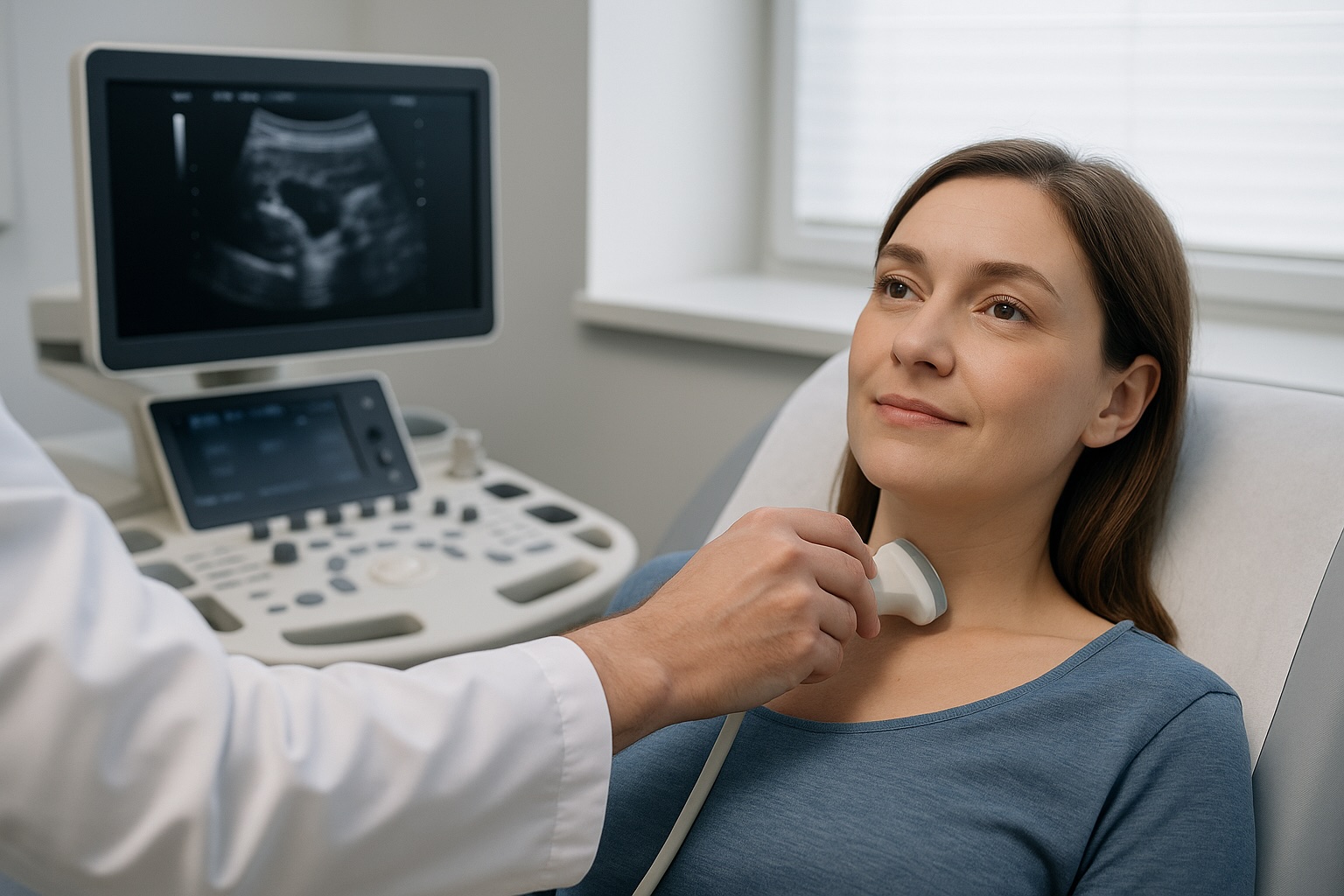

What Thyroid RFA Is and Why You Might Be Looking for It Near Villa Park
Thyroid radiofrequency ablation, often called thyroid RFA, treats a thyroid nodule by placing a thin probe into the nodule and using controlled heat to reduce its size. In plain language, it is a way to target the problem area while leaving most of your thyroid alone. That matters if your goal is to improve symptoms and avoid a full thyroid surgery when it is not necessary.
For many people, the real question is not just “What is RFA?” It is “Where can you get careful, thyroid-specific evaluation without feeling rushed?” If you live near Villa Park, you may be weighing local access, specialist experience, travel time, and whether the visit is worth the drive to Lake Forest for focused endocrine care.
Thyroid RFA has become much more visible in the United States in recent years. In fact, thyroid ablation expansion has moved quickly enough that a procedure barely available in the U.S. several years ago now has dedicated specialist meetings and growing physician networks. That is encouraging, but it also means you need to separate availability from expertise.
Why Patients Ask About Thyroid RFA
Most people do not search for thyroid RFA out of curiosity. You usually start looking because something is bothering you.
Sometimes it is a visible lump in your neck that shows up in photos or catches your eye in the mirror. Sometimes it is pressure, throat fullness, or that strange sensation that food is harder to swallow than it used to be. Voice changes can also push the issue from “something to watch” to “something you want evaluated.”
Surgery worries are another common reason. You may want to avoid a neck scar, general anesthesia, or a longer recovery. You may also want to preserve thyroid function if possible, especially if your thyroid labs are normal and the problem is mainly the nodule itself.
When Thyroid RFA May Be an Option
Thyroid RFA is used most often for benign thyroid nodules that still cause symptoms or cosmetic concerns. That word benign matters. It means the nodule has been evaluated and does not show signs of cancer on the testing used to guide treatment decisions.
RFA is not a one-size-fits-all fix. It can be a very good option in the right setting, but candidacy depends on ultrasound findings, biopsy results, symptoms, size, location, and your overall thyroid picture. If you are comparing areas and specialists, it helps to see how other local patients approach that decision, especially when looking at nearby care options.
Benign Thyroid Nodules That Cause Symptoms or Cosmetic Concerns
This is the most common situation. Your nodule may be noncancerous, but still large enough to cause neck fullness, pressure, swallowing discomfort, or a visible bulge. In that case, “benign” does not mean “harmless to your quality of life.”
Think of it like a tree root lifting a sidewalk. It is not the same as a dangerous sinkhole, but it can still create a real problem. RFA aims to shrink the nodule over time so it causes less pressure and becomes less noticeable.
Research is reassuring here. A 2024 study reported that RFA for benign thyroid nodules is safe, has low complication rates, and tends to work especially well for smaller nodules.
Other Cases a Specialist May Review Carefully
Some specialists may also review RFA for very selected thyroid situations beyond benign nodules. These can include recurrent thyroid problems, certain relapsed Graves’ disease cases, or a very narrow set of small thyroid cancer situations. But this is where careful evaluation becomes non-negotiable.
Not every center offers RFA for these uses, and not every patient should pursue it. Some clinicians restrict non-surgical cancer treatment to very small papillary thyroid cancers after thorough imaging and pathology review. For relapsed Graves’ disease, early research suggests RFA may help well-selected patients who want to avoid surgery, radioactive iodine, or ongoing antithyroid medication.

Who Is Not a Good Candidate for Thyroid RFA
Thyroid RFA is not a blanket replacement for surgery. If the diagnosis is uncertain, cancer risk is higher, the nodule sits in a difficult location, or another treatment would likely work better, RFA may not be the right choice.
That can feel disappointing at first, but it is actually a sign of good care. A qualified specialist should be willing to tell you when RFA is not the safest or smartest path.
For example, if biopsy results are unclear, if the ultrasound pattern is concerning, or if your anatomy puts important structures too close to the treatment area, a different plan may protect you better. If you want another Orange County comparison point, it can help to read about what to look for in an Irvine evaluation, since the same standards for candidacy apply across locations.
Why Confirmation Testing Matters Before Treatment
Before any treatment conversation gets serious, you need the basics confirmed. That usually means a detailed ultrasound, biopsy review, symptom history, and thyroid lab work.
This step is about accuracy. A nodule has to be identified for what it actually is before anybody can say whether shrinking it with heat makes sense. Guidance from NICE states that RFA for benign thyroid nodules is considered safe and effective enough for use, but needle biopsy confirmation is needed first to show the nodule is benign.
How Thyroid RFA Compares With Surgery, Medication, and Watchful Waiting
The best way to think about RFA is not “better than everything else.” It is “useful in the right lane.” For some nodules, that lane is clear. For others, watchful waiting or surgery still makes more sense.
RFA vs Thyroid Surgery
Surgery removes part or all of the thyroid through an incision in the neck. RFA, by contrast, treats the nodule through a needle-like probe and usually does not require a major incision. That often means less downtime and a lower chance of needing to remove healthy thyroid tissue.
If preserving thyroid tissue matters to you, this is a big point. Surgery can still be the better option when cancer risk is higher, when the nodule is not suitable for ablation, or when a larger structural problem needs to be addressed directly.
One reassuring detail: choosing RFA first does not necessarily close the door on surgery later. A 2024 study found that thyroidectomy after RFA remained a safe option if later surgery became necessary.
RFA vs Watching a Benign Nodule
Sometimes the best choice is still to watch and wait. If a benign nodule is small, stable, and not causing symptoms, observation may be completely reasonable.
Treatment becomes more worth discussing when the nodule grows, starts causing pressure or swallowing issues, or becomes more noticeable cosmetically. If you are still sorting out where you fall on that spectrum, it may help to compare questions patients ask in Turtle Rock, especially around timing and symptom changes.
RFA vs Long-term Medication or Radioactive Iodine in Select Cases
This comparison mostly comes up in more specialized situations, not routine benign nodules. Some patients ask about RFA because they want to avoid long-term medication or radioactive iodine, especially if other thyroid conditions are part of the picture.
The catch is that diagnosis drives everything here. For one person, medication remains the simplest and safest plan. For another, RFA may be worth discussing. Your treatment should match your exact thyroid problem, not just your preference for one approach over another.
What to Expect Before, During, and After the Procedure
A lot of anxiety around thyroid RFA comes from not knowing what the process actually looks like. Once the steps are clear, it usually feels much less intimidating.
Before Your Visit
Your first visit is usually about review and confirmation, not rushing you toward a procedure date. You may be asked to bring prior ultrasound reports, biopsy results, thyroid blood tests, medication lists, and notes from prior endocrinology or ENT visits.
This is also the time to bring your questions. A good consultation should leave you understanding what the nodule is, why RFA may or may not fit, what results you can realistically expect, and what follow-up would look like. At Coastline Endocrinology, that kind of unhurried explanation matters just as much as the treatment itself.
During Thyroid RFA
Thyroid RFA is generally done as an outpatient procedure. The area is numbed locally, ultrasound is used throughout the procedure, and the probe is guided into the nodule to deliver controlled heat.
There is no major incision. The goal is to treat the nodule from the inside while protecting surrounding thyroid tissue and nearby neck structures. In plain terms, it is more targeted than open surgery and much less disruptive to your day.
Recovery and Follow-up
Recovery is usually shorter than recovery after surgery. You may have some soreness, swelling, or tenderness, but many patients return to regular activity fairly quickly, depending on the treatment details and any medical instructions you receive.
One point that surprises people: the nodule usually shrinks gradually. It does not vanish overnight. Follow-up ultrasound matters because the result is measured over time, not just on the day of treatment. If you live farther south in Orange County, it may also help to review what follow-up can look like nearby.

How to Choose a Qualified Thyroid RFA Specialist Near Villa Park
This part matters more than almost anything else. Thyroid RFA is a specialized procedure in a small, delicate area of the neck. General procedural experience is not the same as thyroid-specific experience.
You want somebody who understands thyroid ultrasound deeply, reviews biopsy results carefully, knows the anatomy in detail, and is comfortable saying no when RFA is not the best option.
Questions to Ask at Your Consultation
Ask direct questions. How many thyroid RFA procedures have you performed? What thyroid conditions do you treat with RFA? How do you confirm that a nodule is the right kind for ablation? What risks do you discuss most often? What outcomes do you usually see? If RFA is not right for you, what comes next?
Those questions do two things. They help you judge experience, and they show whether your consultation is centered on your diagnosis instead of a sales pitch.
Why Thyroid-specific Expertise Matters
The thyroid sits close to structures that affect your voice, swallowing, and comfort. That is why subtle ultrasound findings and careful technique matter so much.
A specialist with thyroid-specific expertise is more likely to recognize who is a strong candidate, who needs more testing, and who should head in a different direction entirely. If you are comparing options across Orange County, seeing how patients evaluate care in Newport Beach can make those differences easier to spot.
Benefits, Risks, and What Current Research Shows
Thyroid RFA is appealing for good reasons, but it still deserves a balanced look.
Potential Benefits
The obvious benefits are less visible scarring, shorter recovery, outpatient convenience, and preservation of thyroid tissue when compared with more invasive surgery. If your nodule is benign and bothersome, that can be a very attractive middle path between “do nothing” and “remove the thyroid.”
There is also growing medical acceptance. A 2022 consensus statement noted that ultrasound-guided ablation is increasingly used for benign and malignant thyroid disease, which reflects how quickly this field is maturing.
Possible Risks and Limitations
No procedure is risk-free. With RFA, possible downsides can include discomfort, temporary swelling, voice-related concerns, incomplete shrinkage, or regrowth over time. Some nodules may need additional treatment, and some patients may still need surgery later.
Research is encouraging, but not finished. Longer-term follow-up is still needed to better understand regrowth, delayed surgery, and long-range complications after thyroid RFA. That honesty matters. Promising does not mean perfect.
Practical Local Planning: Travel, Records, Virtual Visits, and Scheduling
If you are near Villa Park, the drive to Lake Forest may be worth it when you want specialized thyroid evaluation that is clear, attentive, and not rushed. The goal is not just to get a procedure. It is to get the right diagnosis and a plan that makes sense for your life.
That matters even more if you have other endocrine concerns, such as diabetes, weight changes, osteoporosis, hormone symptoms, or pituitary issues. Specialized care in one place can make a complicated health picture feel a lot simpler.
Making the Short Drive Worth It
A short drive across Orange County feels much easier when you know what you are getting in return: careful review of your records, plain-language explanations, and a treatment discussion built around your symptoms and priorities.
That is the value Coastline Endocrinology aims to offer patients coming from Villa Park, Turtle Rock, Newport Beach, and surrounding neighborhoods. If you are already dealing with a thyroid nodule, you should not have to chase answers from visit to visit.
How to Prepare for a Smooth First Appointment
Bring your imaging reports, biopsy results, medication list, symptom timeline, prior endocrinology or ENT notes, and insurance information. If you have noticed recent changes, such as more pressure, visible enlargement, or swallowing symptoms, write those down before your visit so nothing gets forgotten.
Virtual follow-up may also help with convenience in the right situations, especially after your initial evaluation or after treatment planning is underway. The easier it is to review results and stay on schedule, the easier it is to keep your thyroid care moving forward.
Common Questions About Thyroid RFA Near Villa Park
Will You Need a Biopsy First?
In most cases, yes. Before moving forward with RFA, you usually need confirmation that the nodule is benign. That is one of the most important safety steps in the whole process.
Is Thyroid RFA Painful?
The area is usually numbed, so discomfort is often manageable. You may still feel pressure or soreness, and experiences vary from person to person, but this is generally far less intimidating than many people expect.
Will Your Thyroid Still Work Afterward?
One of the main goals of RFA is often to preserve as much normal thyroid tissue as possible. That said, follow-up still matters, because thyroid function and nodule response both need to be monitored over time.
Can a Nodule Come Back After RFA?
A nodule can regrow in some cases, or it may not shrink as much as hoped after one treatment. That is one reason follow-up ultrasound is part of good care, not an optional extra.
Does Insurance Cover Thyroid RFA?
Coverage varies. It helps to ask about procedure coding, prior authorization, expected out-of-pocket costs, and what documentation is needed before scheduling. Formal coding recognition has improved, which may help access, but your individual plan still determines coverage.
How to Reach Us From Villa Park
Lake Forest, CA 92630

How to Know If It Is Time to Book an Evaluation
If you have a diagnosed thyroid nodule, visible neck enlargement, pressure, swallowing symptoms, changing ultrasound findings, or lingering questions about whether surgery is your only option, it is time to get a focused evaluation. You do not need to decide on RFA before the appointment. You just need clear answers.
At Coastline Endocrinology, your next step is a consultation that explains your results in plain language, reviews whether thyroid RFA actually fits your diagnosis, and gives you a realistic path forward. If your goal is thoughtful thyroid care near Villa Park without feeling rushed or pushed, booking an appointment is the practical place to start.