Thyroid Biopsy in Turtle Rock: What Patients Need

What a Thyroid Biopsy Is and Why You Might Need One
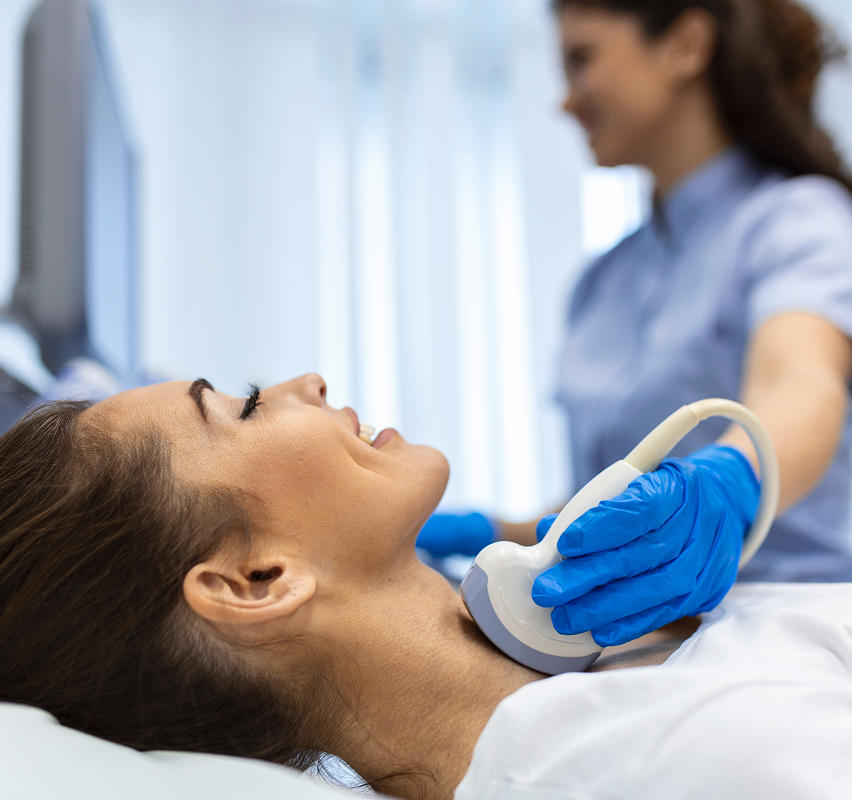
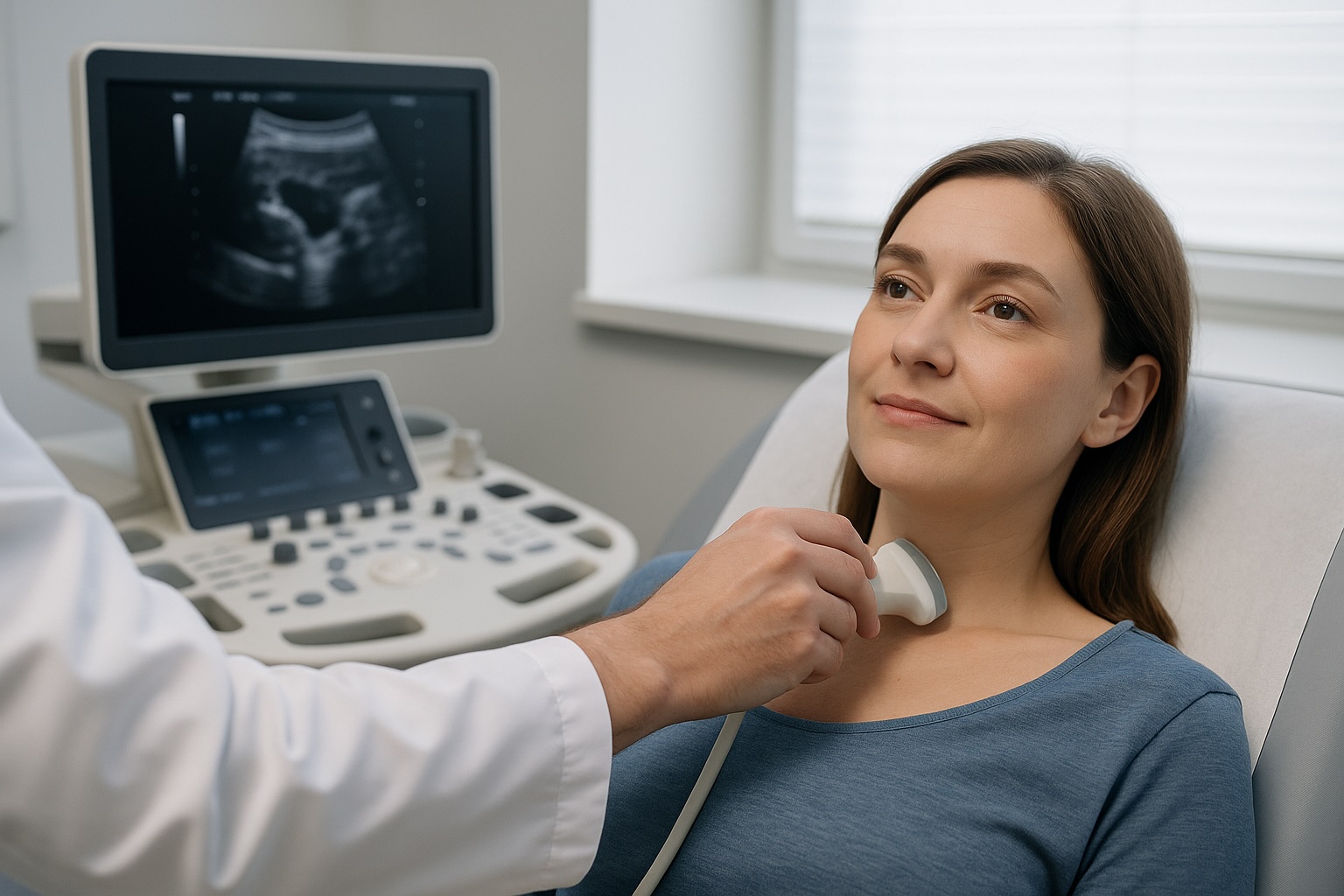
A thyroid biopsy is a small procedure that samples cells from a thyroid nodule so a pathologist can look at them under a microscope. The most common type is an ultrasound-guided fine-needle aspiration, often shortened to FNA. Think of it as a very targeted, ultrasound-directed sample using a needle much thinner than the ones used for blood draws.
Here is the reassuring part. Modern ultrasound can find thyroid nodules in up to 60% of adults, and the overwhelming majority, about 85 to 95%, turn out to be benign. A biopsy is not simply a yes-or-no cancer test. It is a way to sort nodules into risk categories so your care can be as gentle and precise as possible. Sometimes that means routine monitoring. Sometimes it means a repeat test or molecular analysis. Only in a small number of cases does it lead to surgery.
Signs and Findings That Lead to a Biopsy
You might be referred for a biopsy for several reasons. A nodule may have shown up incidentally on a neck ultrasound, CT, or MRI ordered for something else. You may have noticed a lump, changes in your voice, or a feeling that swallowing has become different. Sometimes it is a family history of thyroid disease or cancer that prompts a closer look. Other times, your ultrasound simply shows features, like irregular margins or microcalcifications, that deserve a sample rather than a wait-and-watch approach.
None of these findings mean something is wrong. They just mean it is worth a closer look so you can stop wondering.
What to Expect at Your Appointment in Lake Forest
From Turtle Rock, the drive to the Lake Forest office is short and straightforward, usually well under 20 minutes depending on traffic. Once you arrive, the visit is designed to feel calm and unhurried. You will usually have an ultrasound first so your care team can look closely at the nodule. If a biopsy is the right next step, it can often be done during that same visit, so you are not making a second trip.
Plan on being in the office for around an hour. The actual biopsy itself is only a small piece of that time. The rest is talking through what your ultrasound shows, answering your questions, and making sure you feel comfortable before anything begins.
Findings that prompt a biopsy
- A nodule found incidentally on a scan
- A lump you can feel yourself
- A change in your voice or swallowing
- Family history of thyroid disease or cancer
- Irregular margins or microcalcifications on ultrasound
How Ultrasound-Guided FNA Actually Works
Most thyroid biopsies performed here use fine-needle aspiration, an outpatient procedure that typically takes about 15 to 45 minutes. You will lie flat while the skin over your neck is cleaned and numbed, usually with a topical anesthetic spray and sometimes an injected local anesthetic as well. Using ultrasound for real-time guidance, a thin needle is inserted into the nodule for about 5 to 10 seconds at a time, and this is repeated 4 to 5 times to collect cells from different areas.
Sedation is not required. Once the sample is collected, a bandage goes over the site and your cells head to the lab. Most people are surprised at how manageable it feels. Mild soreness or a small bruise for a day or two is normal, and acetaminophen or an ice pack usually handles it.
How to Prepare and What to Bring
Preparation is refreshingly simple. You can eat and drink normally beforehand, and there is no need to fast. If you take blood thinners or other medications, mention them ahead of time so your team can advise you; most people continue their usual medications without any changes. Because there is no sedation, you can drive yourself to and from the appointment. You are always welcome to bring someone with you if that feels better.
Wear something comfortable that opens or scoops at the neckline. Bring any prior imaging, lab results, or records from outside providers, plus a list of your questions. If you would rather handle your pre-biopsy conversation or your results discussion from home, virtual visits are available for those pieces.
What to bring
Understanding Your Results: the Bethesda System
Thyroid biopsy results are not reported as vague impressions. They are sorted using a standardized six-category framework called the Bethesda System for Reporting Thyroid Cytopathology. This system exists so that whether you are in Lake Forest, Los Angeles, or across the country, your results are interpreted using the same language and risk estimates. That consistency is a good thing for you: it means clearer next steps and easier second opinions when they help.
Worth remembering: indeterminate cytology shows up in about 10 to 20% of biopsies, and some studies put it as high as one third. This is not a failure of the biopsy or your care team — it is simply how thyroid cells behave. Molecular testing can often refine your risk enough that surgery can safely be avoided.
What Happens After the Biopsy
Initial results are usually back within about a week. If molecular or genetic testing is added for indeterminate results, the full turnaround can take three to four weeks. When your results are ready, you will sit down together (in person or virtually) to go over what they mean in plain language and build a plan that fits your life, not a template.
Care here is personalized. Your job, your family, whether you are planning a pregnancy, how you feel about surgery, all of it matters to the plan. If you would like to explore how care works in nearby communities, you can also read about thyroid biopsy in Newport Beach or what patients ask in Costa Mesa.
When Monitoring Is Right
For benign results, periodic ultrasound (often around 12 months later) is usually all you need. Even some very low-risk thyroid cancers can be managed with active surveillance, especially small papillary cancers unlikely to cause problems.
When Molecular Testing Helps
For AUS/FLUS or follicular neoplasm results, molecular testing on your existing sample can often clarify things without another needle. If you’re comparing options nearby, patients often review care choices in Laguna Niguel alongside the Lake Forest office.
When Surgery Is Recommended
Your team will walk you through the choice between a lobectomy and a total thyroidectomy. Overall five-year survival for thyroid cancer is about 98%, and thoughtful surgical planning makes a real difference.
Why Local, Specialized Thyroid Care Matters
Thyroid care rewards experience. An endocrinologist who performs ultrasounds and biopsies regularly can catch subtle features, choose the right nodules to sample, and interpret results in context rather than in isolation. Add in on-site ultrasound, careful cytology review, molecular testing when appropriate, and coordinated surgical referrals only when needed, and you get a care experience that feels connected rather than fragmented. Unhurried appointments are part of the point. Your questions deserve real answers, not a hand on the doorknob.
Special Situations: Pregnancy, Family History, and Other Conditions
Thyroid concerns rarely arrive alone. You may be pregnant, planning a pregnancy, or postpartum, all of which change how thyroid testing and treatment are approached. You may be managing diabetes, osteoporosis, or a hormone imbalance at the same time. Personalized care means those pieces work together rather than in separate silos. If a strong family history of thyroid disease or cancer is part of your story, that also shapes the plan, sometimes leaning toward earlier evaluation or more thorough neck imaging. Patients in nearby communities like Aliso Viejo often ask similar questions, and the answers are always tailored to your situation.
Frequently Asked Questions
What does the procedure involve?
Most thyroid biopsies performed here are done using fine-needle aspiration (FNA), an outpatient procedure that typically takes about 15 to 45 minutes. Using ultrasound for guidance, a thin needle is inserted into the nodule for about 5 to 10 seconds at a time, repeated 4 to 5 times. Sedation is not required, and once finished, a bandage is placed over the site and your samples are sent to the lab.
How should I prepare, and what does aftercare look like?
You do not need to fast, and you can eat and drink normally beforehand. If you take blood thinners, let the team know ahead of time. Since sedation is not used, you can drive yourself to and from your appointment. Mild soreness or bruising for a day or two is common and manageable with acetaminophen or an ice pack.
How long does it take to get results?
Initial results are typically back within about a week. If your sample needs additional molecular or genetic testing, the full turnaround can take three to four weeks. If you have not heard back within a week of your procedure, please call the office.
What complications or risks should I know about?
Thyroid FNA is a very safe, low-risk procedure. The most common side effects are mild soreness and bruising. Less common risks include bleeding, infection, or, rarely, irritation of nearby structures in the neck. Please contact the office right away if you notice fever, chills, or worsening swelling at the biopsy site.
How to Reach Us From Turtle Rock
Getting to our Lake Forest office from Turtle Rock is a quick, straightforward drive, usually well under 20 minutes outside of peak traffic. Most patients head south on the 405 or take Culver Drive down to the 5 toward Lake Forest, then follow local streets to Bake Parkway and Commercentre Drive.
Lake Forest, CA 92630
Booking Your Visit From Turtle Rock
If a thyroid nodule has been on your mind, the simplest next step is a short conversation. The Lake Forest office of Coastline Endocrinology is an easy drive from Turtle Rock, virtual visits are available for the parts that do not require in-person care, and scheduling is straightforward. Call (714) 492-7128 or visit us at 25381 Commercentre Dr, Lake Forest, CA 92630. You will be guided through every step, from your first ultrasound to your results conversation, without feeling rushed or handed off.