Thyroid Biopsy in Laguna Niguel: Key Questions

When You Might Need a Thyroid Biopsy
Thyroid nodules are surprisingly common. The American Thyroid Association estimates that 50% to 70% of adults have detectable nodules on ultrasound, and the vast majority are harmless. Only a small portion actually need a biopsy.
So what tips the scale toward recommending one? Usually it’s a mix of what your endocrinologist can see and what you can feel. A lump in your neck, a nodule that looks suspicious on ultrasound (irregular edges, microcalcifications, or a taller-than-wide shape), or a nodule that has grown since your last scan can all be reasons to take a closer look.
Size matters too. Nodules with high-suspicion ultrasound features are typically biopsied at 1 cm or larger, while low-suspicion nodules may wait until they reach 1.5 to 2 cm. If you’re comparing options in nearby areas, you can also look at biopsy care in Dana Point or Monarch Beach to see how care differs by location.
What a Thyroid Biopsy Actually Involves
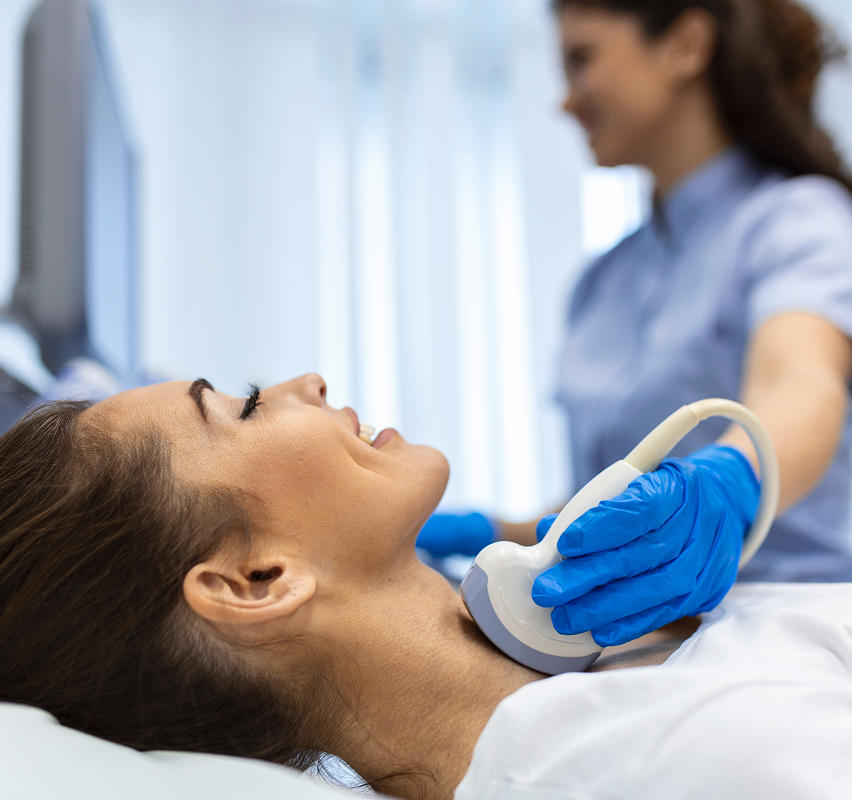
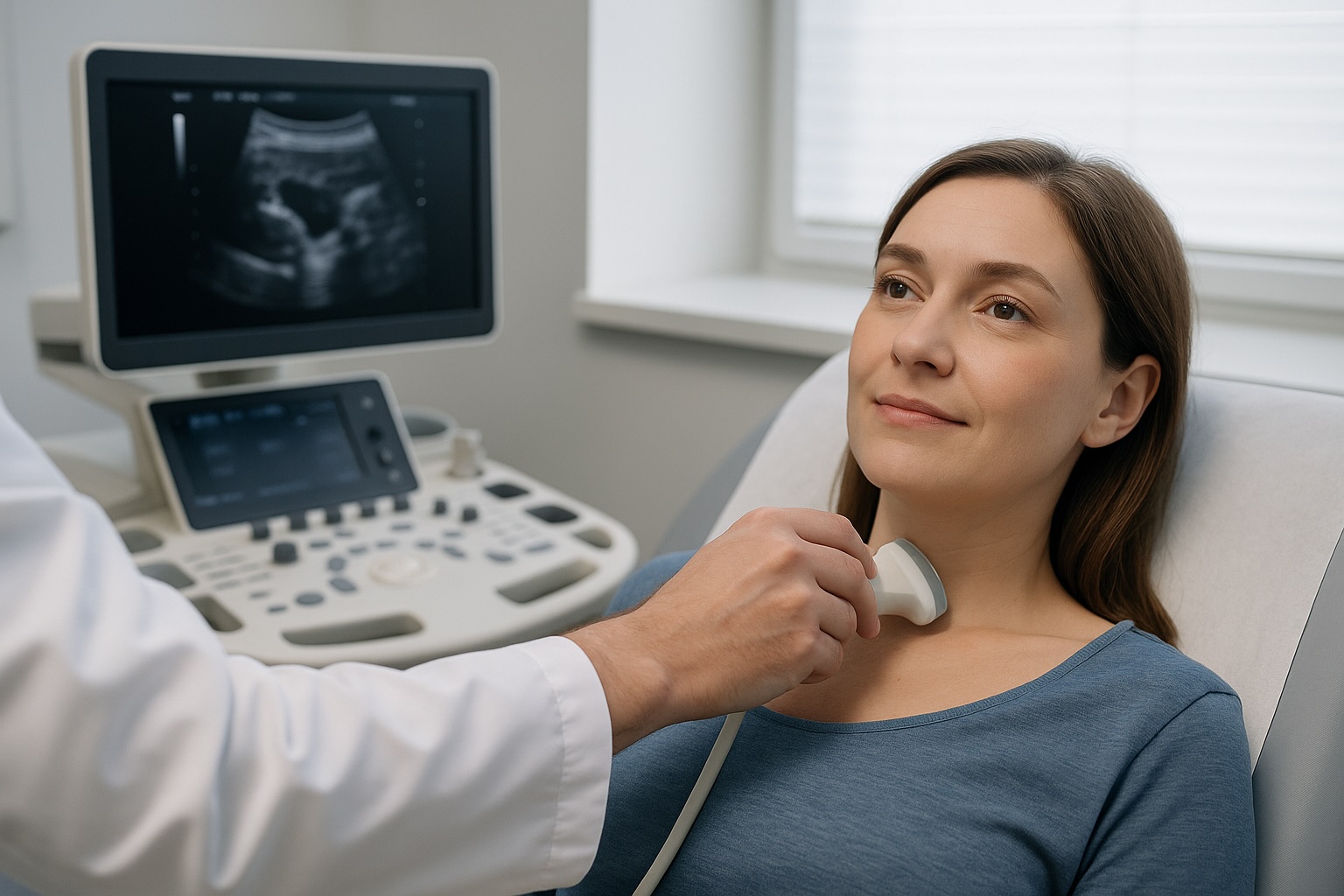
The most common approach is called fine-needle aspiration, or FNA. It’s an outpatient procedure, not surgery, and it usually takes about 15 to 45 minutes from start to finish.
Here’s what happens: you’ll lie flat while the skin over your neck is cleaned and numbed, usually with a topical anesthetic spray and sometimes an injected local anesthetic. Using ultrasound to guide the needle in real time, a thin needle is inserted into the nodule for about 5 to 10 seconds at a time, repeated 4 or 5 times to collect enough cells from different areas of the nodule. Sedation isn’t needed. Most people describe the sensation as pressure more than pain.
How to Prepare for Your Appointment
Preparation is refreshingly simple. You can eat and drink normally, and there’s no need to fast. If you take blood thinners or other medications, mention them ahead of time so your care team can advise you. Most patients keep their regular medications going as usual.
Wear something comfortable with an open collar. Since sedation isn’t part of the procedure, you can drive yourself to and from the appointment. The drive from Laguna Niguel to Lake Forest is typically under 20 minutes.
Accuracy at a glance
A large meta-analysis of 16,597 patients found a sensitivity of 85.6% and specificity of 71.4%. More recent studies using ultrasound-guided techniques have reported 90% accuracy with sensitivity above 92%.
Nodules smaller than 10 mm, heavily calcified nodules, or nodules more than 50% cystic can be harder to sample accurately, which is why ultrasound guidance matters so much.
Understanding Your Biopsy Results
Results are reported using the Bethesda System, which sorts findings into categories your care team will walk you through in plain language.
About 15% to 30% of FNA biopsies come back indeterminate. If that’s your result, take a breath: indeterminate doesn’t mean cancer. It means the sample needs more information before anyone can make a confident call.
When Molecular Testing Comes Into Play
For indeterminate results, molecular tests like Afirma GSC and ThyroSeq v3 can be game-changers. These genomic classifiers analyze the DNA and gene activity in your biopsy sample to better estimate cancer risk. In one study, ThyroSeq correctly identified 94% of nodules that turned out to be cancerous after surgery, and only 3% of samples it labeled benign were false negatives. Molecular testing can help you avoid an unnecessary diagnostic surgery when your nodule is actually benign, or move forward with confidence when it isn’t.
What Happens After the Biopsy
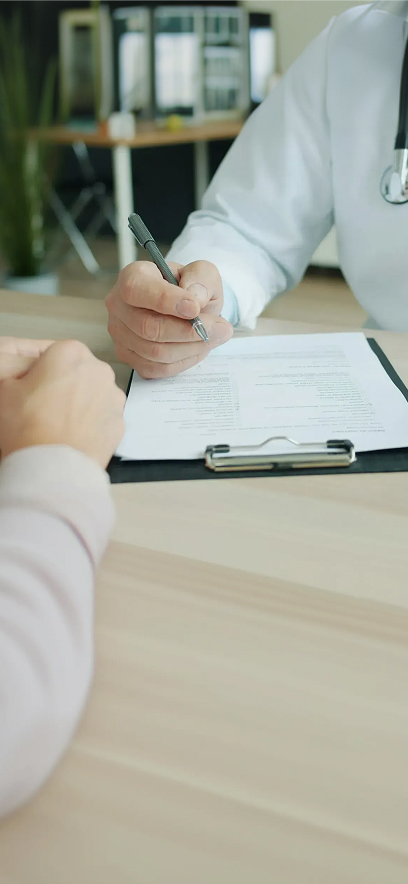
Initial results are usually back within about a week. If molecular or genetic testing is added, the full turnaround can take three to four weeks. Your endocrinologist will call or bring you in to walk through what the results mean for you, not just read a report at you.
From there, next steps depend on what the biopsy showed. Benign results typically lead to monitoring with a repeat ultrasound down the road. Indeterminate results might mean molecular testing or a repeat biopsy. Suspicious or malignant results lead to a conversation about treatment, usually surgical, with clear coordination if you need a referral. Patients often find it helpful to compare notes with what care looks like at nearby practices, whether that’s biopsy services in Newport Beach or closer to home.
If a biopsy does come back malignant, the outlook is genuinely reassuring. Thyroid cancer has a 98.3% five-year survival rate, and about 63% of cases are caught at the localized stage, where five-year survival climbs to 99.9%.
Common Questions Patients Ask
Does it hurt?
Most people feel pressure more than pain, thanks to the numbing spray and (sometimes) an injected local anesthetic. Soreness afterward is mild.
Can you drive yourself home?
Yes. There’s no sedation, so you’re free to drive to and from the appointment.
How soon will you get results?
Usually within a week for standard cytology, three to four weeks if molecular testing is added.
Will insurance cover it?
In most cases, yes. Thyroid biopsy is a standard diagnostic procedure covered by commercial insurance and Medicare. Our office can verify your benefits ahead of time.
Do you always need surgery after a biopsy?
No. Most biopsies come back benign, and even indeterminate results often don’t lead to surgery once molecular testing clarifies the picture.
How to Reach Us From Laguna Niguel
Getting a thyroid biopsy scheduled shouldn’t feel like a hurdle. From Laguna Niguel, our Lake Forest endocrinology office is a short drive up the 5, and you can book in person, by phone, or start with a virtual visit if you’d rather have a conversation first. If you’re weighing your options, you can also look at what care looks like in Aliso Viejo or nearby communities to compare.
Lake Forest, CA 92630
Scheduling Thyroid Biopsy Care Near Laguna Niguel
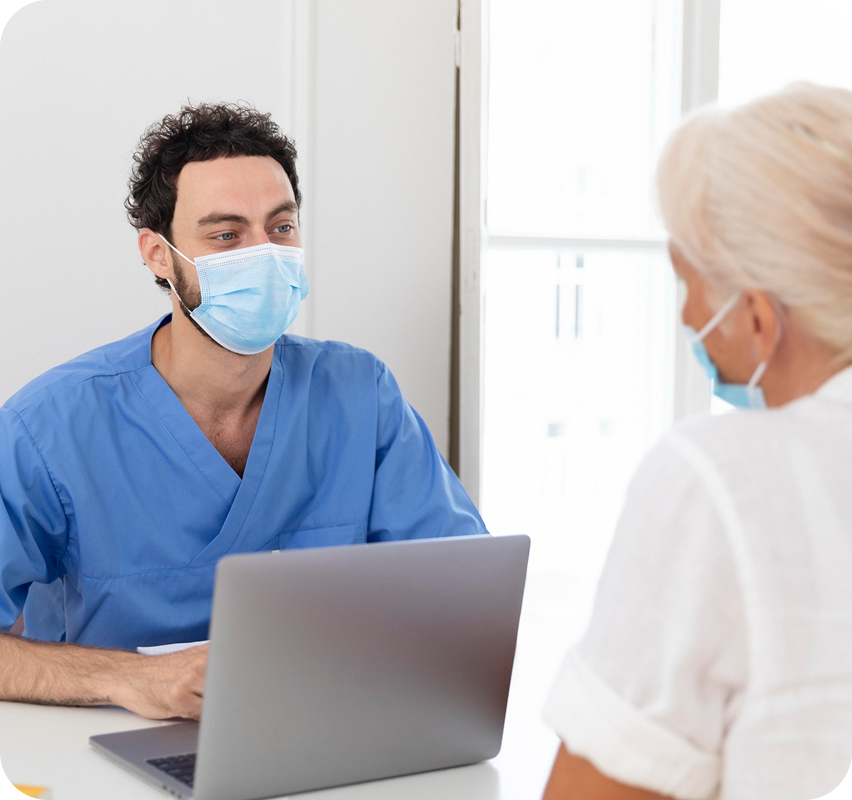
If you’ve noticed a lump in your neck, had a nodule flagged on a recent scan, or you’re dealing with thyroid symptoms that haven’t been sorted out, reach out. Call Coastline Endocrinology at (714) 492-7128 or visit us at 25381 Commercentre Dr, Lake Forest, CA 92630. You’ll get unhurried time to talk through your labs, your ultrasound, and your options in plain language, with a plan built around your life, not a rushed 10-minute slot.