Thyroid Biopsy in Monarch Beach: What to Know

What a Thyroid Biopsy Actually Is
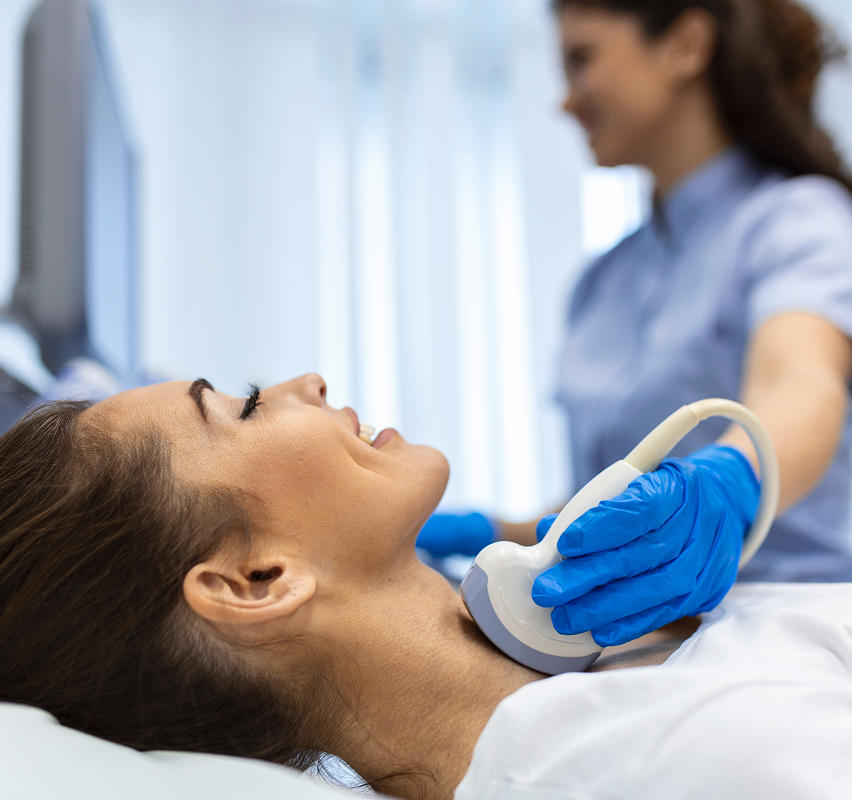
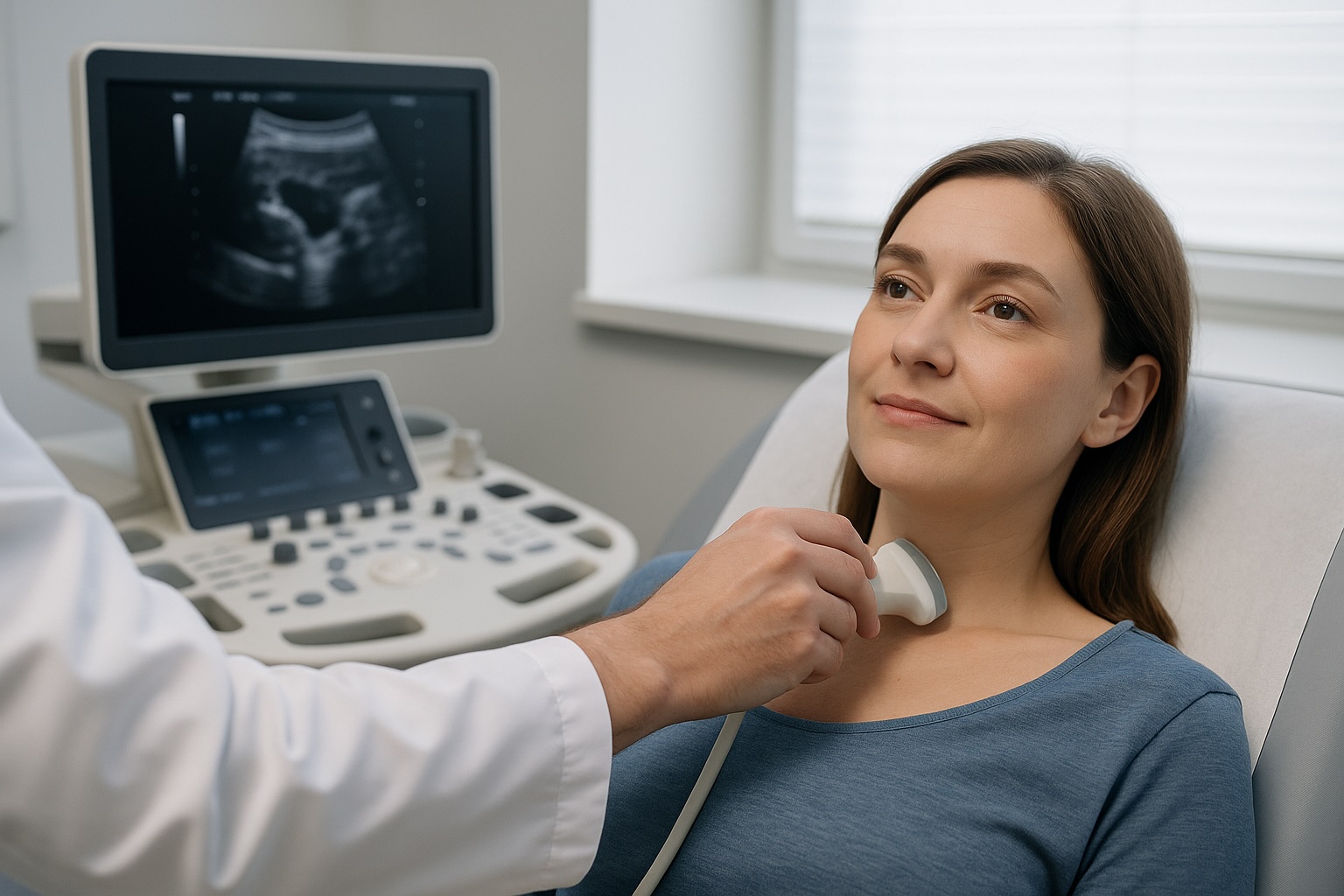
A thyroid biopsy is a small sampling of cells from a thyroid nodule, taken with a very thin needle guided by ultrasound. It is not surgery. There are no incisions, no stitches, and no general anesthesia. Most visits wrap up in under an hour, and you walk out with a small bandage on your neck.
The formal name is fine-needle aspiration, or FNA. It is the standard first test when a nodule looks suspicious on imaging, because it is safe, low-cost, and gives a pathologist enough cells to look at under a microscope.
Here is the reassuring part: thyroid nodules are incredibly common. Palpable ones show up in 4% to 7% of adults, and nonpalpable ones appear in up to 65% of people when ultrasound is used. Finding a nodule does not mean something is wrong. It just means it deserves a closer look.
When You Might Need a Thyroid Biopsy Near Monarch Beach
A biopsy usually gets recommended for one of three reasons: your provider felt a lump during a neck exam, imaging done for something unrelated (like a carotid ultrasound or CT scan) picked one up incidentally, or a nodule you already knew about has features on ultrasound that warrant a closer look.
The goal is not to biopsy every nodule. Only about 5% to 15% of nodules turn out to be cancerous, so the aim is to biopsy the right ones.
How Ultrasound Helps Decide
Two systems guide the decision: ACR TI-RADS and the American Thyroid Association (ATA) ultrasound patterns. Each feature adds a point or a risk level, and the total helps determine whether biopsy is warranted. One RSNA study found that applying TI-RADS reduced unnecessary biopsy recommendations from 80 out of 100 nodules to 57, while keeping sensitivity at 92%. Fewer unnecessary needles, without missing the cancers that mattered.
Size thresholds
- High/intermediate suspicion: biopsy at 1 cm+
- Low suspicion: considered at 1.5 cm
- Very low suspicion: considered at 2 cm, or watched
- Purely cystic nodules usually skip biopsy altogether
What to Expect During Your Biopsy Visit
Your appointment starts with a quick check-in and a review of your ultrasound. You will lie back on an exam table with your neck gently supported. The skin over the nodule gets cleaned and numbed, usually with a topical spray and sometimes a small injection of local anesthetic.
Then, using real-time ultrasound to guide the needle precisely, the thin FNA needle is inserted into the nodule for about 5 to 10 seconds at a time. This is repeated 4 or 5 times so cells can be collected from different areas of the nodule. Sedation is not needed. Most people describe the sensation as pressure more than pain.
The whole thing typically takes 15 to 45 minutes. A small bandage goes on, and most patients drive themselves home. From Monarch Beach, the drive to a Lake Forest office is short, and a morning appointment usually means the rest of your schedule stays intact.
Note: if you have hyperthyroidism, especially uncontrolled Graves’ disease, extra evaluation may be needed before FNA. In rare cases, biopsying a hyperfunctioning nodule can trigger complications, so getting thyroid levels into a stable range first is the safer path.
Understanding Your Results
Results usually come back within about a week. If molecular or genetic testing is added for indeterminate findings, the full turnaround can take three to four weeks. Thyroid biopsy results follow a standard framework called the Bethesda System, which sorts findings into six categories with different cancer risks and different next steps.
Bethesda I is nondiagnostic, meaning not enough cells were collected. Bethesda II is benign, with a cancer risk under 3%, and usually just needs periodic ultrasound follow-up. Bethesda III (atypia of undetermined significance) carries roughly a 5% to 15% cancer risk. Bethesda IV (follicular neoplasm) sits around 15% to 30%. Bethesda V is suspicious for malignancy at roughly 60% to 75%. Bethesda VI is malignant, with accuracy above 97%. Even a Bethesda VI result comes with genuinely good news attached: most thyroid cancers have excellent prognoses.
Between 5% and 20% of FNAs come back nondiagnostic, and another 20% to 30% land in the indeterminate Bethesda III or IV range. If that happens to you, it does not mean cancer. Patients across Dana Point and surrounding communities generally see the same categories used.
Next Steps If Your Biopsy Is Nondiagnostic or Indeterminate
Options include repeating the FNA, adding a core needle biopsy, running molecular testing on the existing sample, or simply monitoring the nodule with follow-up ultrasound. Core biopsy has been diagnostic in 87% of previously nondiagnostic cases in one Massachusetts General Hospital study. Molecular testing has advanced quickly too: ThyroSeq correctly identified 94% of cancers in an NCI-cited study, and 61% of tested nodules were classified as benign, sparing many patients from surgery they did not need. Patients in nearby areas like Laguna Niguel often ask similar questions about what happens after an unclear result.
Convenient, Personalized Care Close to Home
Getting thyroid care near Monarch Beach should feel manageable, not overwhelming. A short drive up to Lake Forest gets you on-site ultrasound, unhurried appointments, plain-language explanations of your results, and follow-up plans built around your life. Virtual visits are an option when they make sense, and your care team is there to walk you through every step, from that first ultrasound to whatever comes next.
How to Reach Us From Monarch Beach
A short drive up to Lake Forest is easy from Monarch Beach. Most patients take PCH or Camino Del Avion to the 5 north, then follow local streets to Bake Parkway and Commercentre Drive.
Lake Forest, CA 92630
Booking Your Visit From Monarch Beach
If a nodule is on your mind, call Coastline Endocrinology at (714) 492-7128 or visit us at 25381 Commercentre Dr, Lake Forest, CA 92630. You do not have to sort any of this out alone, and the sooner you get answers, the sooner the worry can settle.