
Thyroid Radiofrequency Ablation Near Dana Point
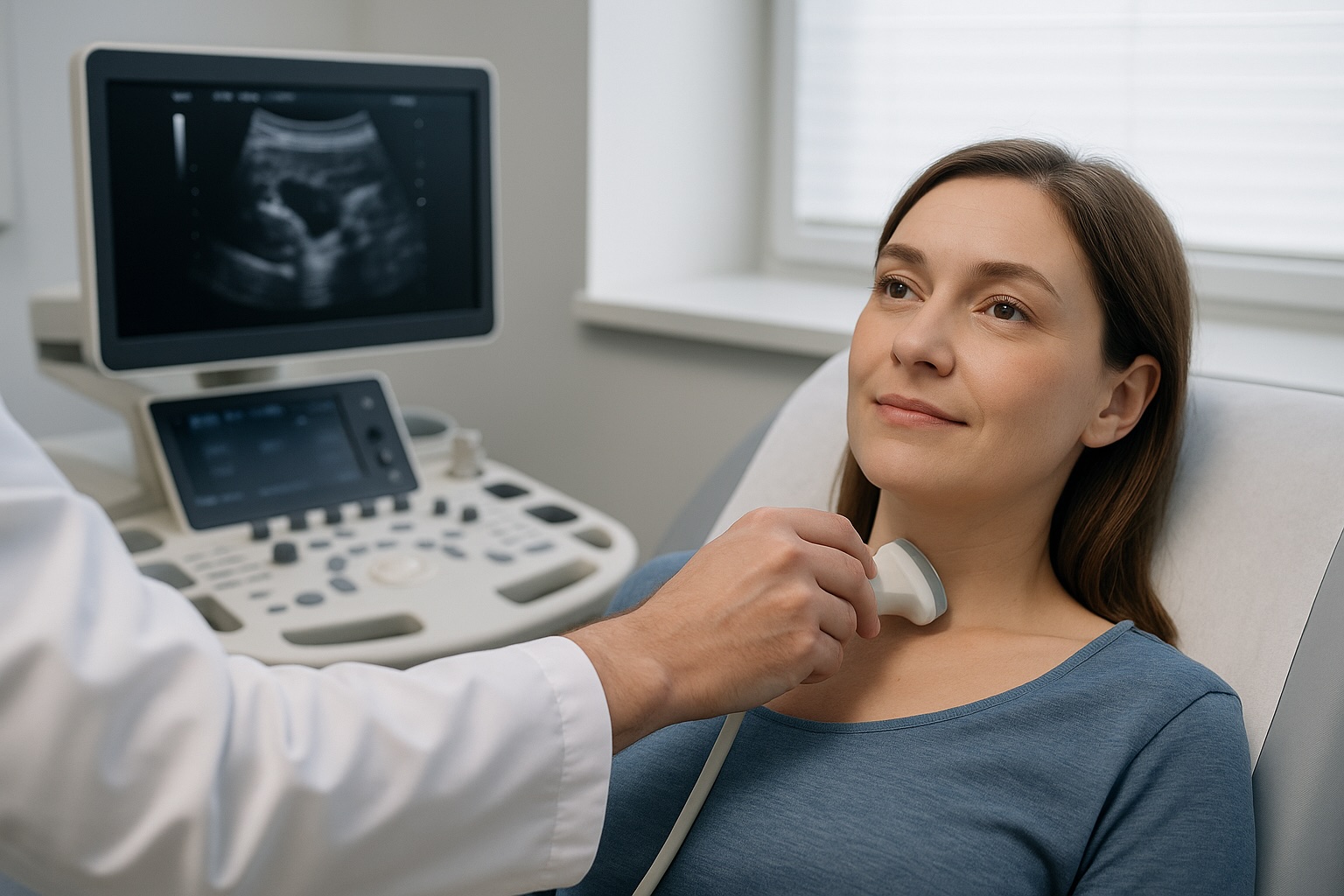

What Thyroid RFA Is and Why You Might Hear About It Near Dana Point
Thyroid radiofrequency ablation, often called thyroid RFA, is an ultrasound-guided procedure that uses controlled heat to shrink a thyroid nodule over time. Instead of taking out part of your thyroid with surgery, the treatment targets the nodule itself while leaving the rest of your thyroid in place.
That difference matters. If your nodule is benign but bothersome, RFA may offer a way to reduce the lump, ease pressure symptoms, and improve the appearance of your neck without an operation.
You are most likely to hear about RFA when a benign thyroid nodule starts causing real-life problems. Maybe your neck feels tight. Maybe swallowing feels awkward. Maybe your voice feels irritated or you keep feeling a lump that is hard to ignore. Sometimes the main issue is cosmetic, especially if the nodule is visible in photos or in the mirror. In those situations, RFA may come up as an alternative to surgery.
Who Thyroid RFA Is Usually For
Thyroid RFA is usually considered for people with benign thyroid nodules that are causing symptoms, growing over time, or becoming cosmetically frustrating. The key word is benign. Not every thyroid lump is appropriate for this treatment, which is why a careful workup comes before any recommendation.
Benign Thyroid Nodules That Cause Symptoms
Some thyroid nodules do not cause trouble and only need monitoring. Others become impossible to ignore. You may feel pressure in your neck, notice discomfort when swallowing, develop an annoying cough, or become more aware of a visible bulge. An enlarging nodule can also create a constant sensation of fullness or tightness.
If you are comparing local options, it may help to read how nearby communities approach similar concerns, especially if you are also looking at care closer to the coast or central Orange County, such as this guide to nearby care options in Newport Beach.
When You Want an Option Besides Surgery
Some people simply do not want surgery if a less invasive option is available. That can be because you want to avoid general anesthesia, reduce the chance of a neck scar, or preserve as much normal thyroid tissue as possible. Those are reasonable goals.
The catch is that RFA is not a shortcut for every thyroid problem. If your thyroid issue involves cancer, a suspicious biopsy, or a different kind of thyroid disease, surgery or another treatment may still make more sense. The right choice depends on what the nodule is, not just how appealing the procedure sounds.
Why Testing Comes First
Before RFA is recommended, your thyroid nodule should be evaluated with ultrasound, thyroid blood work, and testing that confirms the nodule is benign. That usually means reviewing prior imaging, biopsy results, and how the nodule has changed over time.
Your plan should fit your actual nodule, not a generic checklist. Size matters. Whether the nodule is mostly solid or has more fluid inside matters too. So do your symptoms and your goals. Some nodules respond especially well, including smaller nodules and certain fluid-containing nodules, which is one reason a detailed consultation matters.

How Thyroid RFA Works
RFA sounds more intimidating than it really is. Think of it as treating the nodule from the inside, using heat to damage the targeted tissue so your body gradually shrinks it over the following months.
What Happens During the Procedure
The procedure is done with ultrasound guidance so the treatment area can be seen in real time. Your neck is numbed with local anesthetic, then a thin probe is placed into the thyroid nodule. Controlled heat is delivered to different parts of the nodule in a careful pattern.
The goal is not to make the lump disappear instantly. The goal is to start a process that reduces its volume over time while protecting surrounding thyroid tissue and nearby structures. Because imaging guides the treatment throughout, the approach is precise rather than blind.
What You Can Expect After Treatment
Most people go home the same day. You may have some soreness, tenderness, or mild swelling afterward, but recovery is generally much easier than recovery from thyroid surgery.
Improvement is gradual. A nodule usually shrinks over months, not overnight. In one clinical series, the largest benefit by 6 months was already clear, though improvement can continue beyond that. If you want a sense of how this timeline is discussed for nearby patients, this overview of what treatment timing can look like near Monarch Beach can help add context.
Benefits, Results, and What the Research Shows
The biggest reasons patients consider thyroid RFA are straightforward: less pressure, a smaller lump, and a chance to avoid surgery. Research generally supports those benefits for carefully selected benign nodules.
How Much Nodules Can Shrink
Nodule shrinkage after RFA is often meaningful, not minor. A Mayo Clinic series found a median volume reduction of 44.6% in treated benign nodules. Larger follow-up studies show that shrinkage can keep improving over time, with median reduction rates rising through 6, 12, and even 24 months.
That matters because symptom relief often follows size reduction. A nodule does not need to vanish completely to feel dramatically better in day-to-day life.
Symptom and Cosmetic Improvement
As the nodule shrinks, pressure symptoms often improve and the neck bulge becomes less noticeable. In the Mayo experience, compressive symptoms resolved in 67 percent of patients and improved in the rest, while cosmetic concerns improved in every patient who reported them. A separate study reported progressive shrinkage through 24 months along with substantial symptom relief.
For someone bothered by a visible lump or that constant crowded feeling in the neck, those changes are not just cosmetic. They can make eating, swallowing, speaking, and simply being comfortable feel easier again.
Preserving Thyroid Function
One of the main advantages of RFA is that it usually preserves the rest of your thyroid. That is a major reason some people prefer it over surgery for a benign nodule.
That said, thyroid labs can shift temporarily after treatment. A 2024 study found temporary TSH changes after RFA, along with short-term antibody changes that later normalized. In plain terms, follow-up labs matter, but temporary changes do not automatically mean permanent thyroid damage.
Risks, Limitations, and Important Misunderstandings
Good counseling around thyroid RFA should feel balanced, not salesy. The treatment has real advantages, but it also has limits.
RFA Is Not for Every Thyroid Problem
RFA is mainly used for selected benign thyroid nodules. It is not a catch-all answer for thyroid cancer, every overactive thyroid condition, or every reason you might feel tired, gain weight, or feel off. Plenty of thyroid symptoms come from hormone imbalance rather than from a nodule itself.
That is why a careful endocrinology evaluation matters. If your symptoms are coming from something else, shrinking a nodule may not solve the problem.
Possible Side Effects and Short-term Changes
Short-term soreness, swelling, or tenderness can happen after treatment. Those effects are usually manageable and temporary. Published studies generally show a favorable safety profile, and the Mayo series reported no sustained complications.
Still, “minimally invasive” does not mean “nothing to monitor.” Thyroid blood tests may fluctuate for a while, and follow-up visits help make sure healing and lab trends are moving in the right direction.
What Affects Your Results
Not every nodule responds the same way. Smaller nodules often do better long term than larger ones, and macrocystic nodules, which contain more fluid spaces, may respond especially well. Early shrinkage after treatment is also a good sign that the result is heading in the right direction.
If you are comparing how different Orange County communities talk through candidacy and results, this guide to choosing care near Aliso Viejo offers another useful local perspective.

What to Expect From Evaluation and Follow-Up Care
A good thyroid RFA experience is not just the procedure. It is the whole process before and after, including imaging review, lab interpretation, and ongoing monitoring.
Questions to Ask at Your Consultation
At your consultation, you should leave knowing whether your nodule has been clearly confirmed as benign, whether RFA matches your goals, how many treatments might be needed, what follow-up imaging will look like, and whether surgery still deserves discussion.
Those questions are especially useful if you are still deciding between monitoring, RFA, and surgery. A rushed visit can leave too much unclear. A good visit leaves you understanding the tradeoffs.
Follow-up Ultrasounds and Thyroid Labs
Follow-up matters because nodule shrinkage takes time. Your provider needs to track how much the nodule is shrinking, whether your pressure symptoms are improving, and whether your thyroid labs show any temporary changes after treatment.
That monitoring often includes repeat ultrasound and blood work over several months. If you are looking for more guidance on what questions to bring into those follow-up visits, this article on what patients should ask in Turtle Rock is a helpful companion.
Thyroid RFA Access for Dana Point, Turtle Rock, and Nearby Orange County Communities
If you live in Dana Point, Turtle Rock, Newport Beach, or nearby Orange County neighborhoods, convenience matters more than people admit. Specialty thyroid care is easier to follow through on when visits, imaging review, and lab follow-up are coordinated in one place instead of scattered across multiple offices.
Why Local Specialty Follow-up Matters
A thyroid nodule can look simple at first and still need nuanced decision-making. Having your ultrasound findings, thyroid labs, symptom history, and treatment options explained clearly in one endocrinology setting can make the process feel much less overwhelming.
At Coastline Endocrinology, that kind of coordination is the point. You should feel that your concerns are being taken seriously, your results are explained in plain language, and your visit is not rushed. If you are making the short drive from Turtle Rock, Dana Point, Newport Beach, or surrounding Orange County areas to Lake Forest, personalized follow-up can make that trip feel worthwhile.
Practical Next Steps If You Want to Explore Treatment
If thyroid RFA sounds like it may fit your situation, gather any prior thyroid ultrasounds, biopsy results, and lab records before your visit. Ask how to prepare for the appointment, whether part of the process can be handled through virtual visits, and what follow-up timeline to expect if treatment is recommended.
If you want another local comparison point while deciding, this overview of what to look for in Irvine-area care may help clarify what good evaluation should include.
How to Reach Us From Dana Point
Lake Forest, CA 92630

How to Know When It Is Worth Booking an Evaluation
If your thyroid nodule has been confirmed benign and it is causing pressure, swallowing discomfort, voice irritation, or a neck bulge that bothers you, it is worth getting a focused opinion on whether RFA makes sense. If you want to avoid surgery and keep normal thyroid tissue whenever possible, it is even more worth discussing.
Coastline Endocrinology offers the kind of specialty evaluation that helps you sort out that decision clearly. Instead of guessing, book an appointment and get a personalized review of your ultrasound, labs, symptoms, and treatment options so you can decide with confidence.