
Thyroid Radiofrequency Ablation Near Laguna Beach
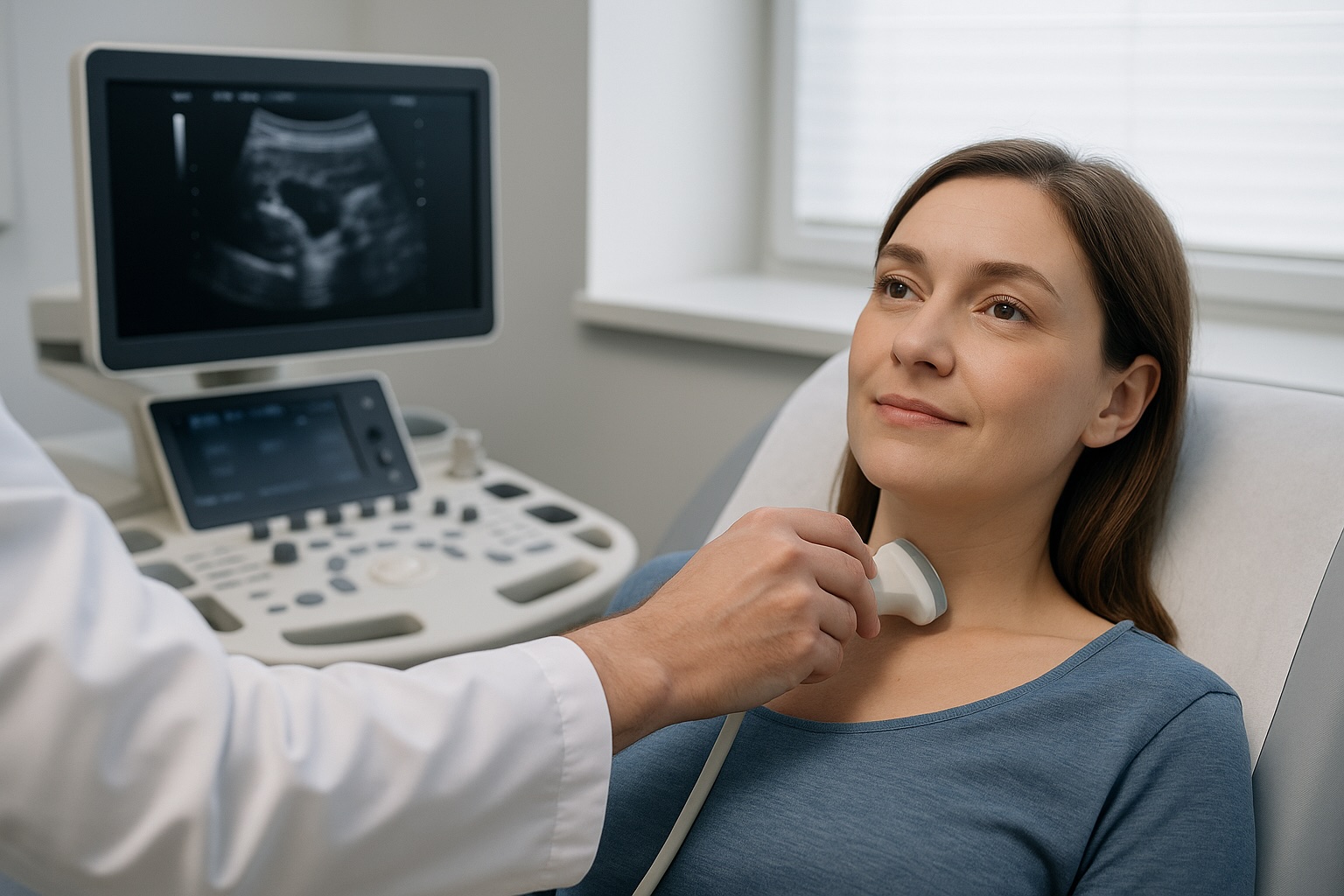

What Thyroid RFA Is and Why You Might Be Searching Near Laguna Beach
Thyroid radiofrequency ablation, usually called thyroid RFA, is an ultrasound-guided procedure that treats selected thyroid nodules with controlled heat. Instead of making a large incision and removing part or all of the thyroid gland, a specialist places a thin probe into the nodule and treats the tissue from the inside. Over time, the body gradually clears away that treated tissue, and the nodule gets smaller.
That sounds technical, but the basic idea is simple: think of it as shrinking the problem rather than cutting out the whole area around it.
If you live near Laguna Beach, Turtle Rock, Newport Beach, or Lake Forest, it makes sense to look for an option that feels less overwhelming than surgery. Many thyroid nodules are not dangerous, but they can still be disruptive. When your symptoms are bothersome and your nodule is the right type, RFA can be a safe alternative to surgery for selected benign nodules.
When a Thyroid Nodule Starts Affecting Daily Life
A lot of thyroid nodules are found by accident during imaging or a routine exam. Some never cause trouble and only need monitoring. Others start to interfere with daily life in ways that are hard to ignore.
You might feel a visible lump in your lower neck. You might notice pressure when you button a shirt, lie flat, or turn your head. Some nodules create a choking sensation, mild trouble swallowing, throat irritation, or voice fatigue. Sometimes the main issue is appearance. Sometimes it is the stress of knowing the nodule is there and wondering if it will keep growing.
That concern is real. Even a benign nodule can feel like a big problem when it is sitting in the front of your neck.
Who Thyroid RFA Is Usually For
Thyroid RFA is usually considered for selected benign thyroid nodules, especially when symptoms or appearance are bothering you. The strongest evidence is for noncancerous nodules that are solid enough to treat effectively and clearly visible on ultrasound.
Good candidacy depends on more than one factor. Your ultrasound matters. Your biopsy results may matter. The nodule’s size, location, and makeup matter too. So do your goals. If your priority is symptom relief with less downtime and a chance to preserve thyroid function, RFA may be worth discussing during an evaluation at Coastline Endocrinology.
If you are comparing nearby options, it can also help to read how patients think through care in surrounding areas, such as what to look for in Irvine-area treatment.
Benign Nodules, Overactive Nodules, and Other Thyroid Concerns
Not every thyroid nodule is the same. Some are benign nodules that do not make extra hormone but still grow large enough to cause pressure or cosmetic concerns. Some are overactive nodules, meaning the nodule produces thyroid hormone on its own and may contribute to symptoms like palpitations, anxiety, sweating, or weight loss.
And some thyroid lumps need no treatment at all.
That is why a careful evaluation matters. Thyroid nodules are actually common, with ultrasound finding them in up to 67% of cases. Most are not emergencies. The real question is whether your specific nodule is causing problems, what type it is, and which treatment makes the most sense for you.
When RFA May Not Be the Right Fit
RFA is not the answer for every thyroid problem. If there is concern for cancer, surgery may be the better path. If a nodule sits too close to key structures in the neck, anatomy may make treatment less suitable or call for a different approach. Some nodules are better watched over time, especially if they are small and not bothering you.
Medication may also be part of the plan, particularly if you have thyroid hormone imbalance. The right recommendation comes from putting the imaging, biopsy information, symptoms, and your preferences together instead of forcing every case into the same box.

How Thyroid RFA Works
During thyroid RFA, the area is numbed with local anesthesia, and ultrasound is used throughout the procedure to guide treatment in real time. A thin electrode goes into the nodule, and controlled heat is applied to small sections of tissue. That heat damages the nodule cells while the surrounding thyroid tissue is protected as much as possible.
Most treatments are outpatient, and the actual treatment time is often fairly short. Published data describe typical treatment times of about 5 to 22 minutes, though the full visit is longer because setup, imaging, and recovery are part of the process too.
What Your Visit May Look Like From Start to Finish
Your first step is usually an evaluation. That visit often includes reviewing your symptoms, looking at prior ultrasounds, checking lab work, and deciding if additional imaging or biopsy confirmation is needed. If benign status has not been clearly established, that usually needs to happen before moving forward.
On procedure day, you can expect a focused outpatient visit, not a hospital stay. Your neck is cleaned and numbed, ultrasound is used throughout, and the treatment is performed with careful attention to nearby structures. Afterward, you are observed briefly, given clear instructions, and sent home the same day in most cases.
That kind of clarity matters. Your results, next steps, and follow-up plan should be explained in plain language so you know exactly what happens next.
Benefits of Thyroid RFA Compared With Surgery
The biggest appeal of RFA is straightforward: it treats the nodule without a full thyroid operation. For many people, that means no large incision, less downtime, and a faster return to normal routines.
It may also help preserve healthy thyroid tissue. That matters because some thyroid surgeries can lead to lifelong thyroid hormone replacement, depending on how much thyroid tissue is removed. RFA can offer symptom relief while lowering the chance of some surgical complications, including voice issues and low calcium problems that are associated with certain thyroid operations.
If you are weighing location and convenience, nearby perspectives can help. Patients often compare options such as care considerations in Newport Beach or other Orange County locations before deciding where to schedule an evaluation.
What Results You Can Realistically Expect
RFA works gradually, not overnight. The nodule usually shrinks over months, and symptoms often improve as that happens. In a review of 17 studies covering 933 benign nodules, the average 12-month reduction after one treatment ranged from about 67% to 75%. Some nodules shrink more with repeat treatment.
That is a meaningful change. If your nodule is causing pressure, visible fullness, or swallowing discomfort, shrinking it by that amount can make a real difference in how you feel day to day.
The Limits of RFA and the Possibility of Regrowth
RFA is effective, but it is not magic. Some nodules need more than one treatment. Some do not shrink as much as hoped. And some can grow back over time.
Studies have reported regrowth rates ranging from 0% to 34% at 12 months, depending on the nodule and the treatment details. That is why follow-up ultrasound matters even when early results look good. A good plan does not end on procedure day.
Safety, Side Effects, and Questions You May Have
Most people want the same answers first: Will it hurt? Is it safe? How long will recovery take?
In experienced hands, thyroid RFA is generally considered safe, and serious complications are uncommon. Still, no procedure is risk-free. Possible side effects can include soreness, swelling, bruising, bleeding, temporary voice changes, or irritation in the treated area. Recovery is usually much easier than recovery from surgery, but you still need proper aftercare and clear instructions.
Is Thyroid RFA Painful?
Most thyroid RFA procedures use local anesthesia to numb the area. You may still feel pressure, warmth, or brief discomfort during treatment, but it is usually manageable. Some post-procedure soreness or swelling can happen for a short time afterward.
What matters most is preparation. You should know what the procedure feels like, what symptoms are normal afterward, and when to call if something does not seem right.
Can RFA Treat Thyroid Cancer?
This is where careful evaluation becomes especially important. The strongest evidence for thyroid RFA is for benign thyroid nodules. RFA has also been studied for selected low-risk thyroid cancers, especially small papillary thyroid cancers in highly selected cases, but that use is still much more limited.
In some reports, carefully selected low-risk cancers had promising outcomes. But RFA is not a universal substitute for surgery, and cancer-related decisions should be made with extra caution. If cancer is suspected or confirmed, the treatment plan needs to be individualized very carefully.

Why Experience Matters More Than Distance Alone
Here is the part many patients miss: thyroid RFA is operator-dependent. That means your outcome depends heavily on the skill and experience of the person doing the procedure, not just on the machine or the location.
A close office is convenient, of course. But expertise, careful selection, and structured follow-up matter at least as much as distance. Research consistently notes that RFA should be performed in experienced centers because nodule type, anatomy, and technique all influence results.
That is one reason local patients often look beyond the single closest option and compare nearby communities, including what patients ask in Turtle Rock or how people choose care near Costa Mesa.
Questions to Ask Before Booking a Consultation
Before booking, you should feel comfortable asking direct questions. Ask how many thyroid RFA procedures have been performed. Ask whether ultrasound is used throughout the procedure. Ask how benign status is confirmed before treatment. Ask what follow-up imaging is included and what the plan is if the nodule grows back.
Those questions are not being difficult. They are smart.
Finding Thyroid RFA Care Near Laguna Beach, Turtle Rock, and Lake Forest
If you live near Laguna Beach, Turtle Rock, Newport Beach, or Lake Forest, access matters. A shorter drive can make evaluation, treatment, and follow-up much easier, especially when you are balancing work, family, and ongoing health concerns.
But convenience feels best when it comes with thoughtful care. At Coastline Endocrinology, that means visits that are not rushed, results explained clearly, and treatment plans shaped around your symptoms, imaging, and goals. That is especially helpful if your thyroid concerns overlap with other endocrine issues such as diabetes, weight changes, osteoporosis, or hormone imbalance.
You may also want to compare how nearby areas frame the same decision, such as finding the right provider near Aliso Viejo.
What Makes Local Endocrinology Care Feel Easier
Good specialty care feels easier when logistics are simple. Nearby access in Lake Forest can save time if you are coming from Laguna Beach or Turtle Rock. On-site evaluation tools, when available, can reduce the back-and-forth of separate appointments. Virtual follow-ups may make ongoing care more convenient after treatment.
Just as important, appointment prep should be simple. You should know which records to bring, whether prior imaging is enough, and what to expect from the visit before you arrive. Coastline Endocrinology should feel approachable from the first call to the last follow-up.
What Happens After Treatment and When to Reach Out
After treatment, follow-up usually includes repeat ultrasound, symptom review, and sometimes thyroid lab monitoring, depending on your situation. Many patients are checked at regular intervals over the first year because shrinkage takes time and because the treated area needs to be watched for response and possible regrowth.
You should reach out sooner if you develop worsening pain, new swelling, fever, bleeding, trouble breathing, or voice changes that do not improve. Most recovery is smooth, but it is always better to speak up early if something feels off.
How to Reach Us From Laguna Beach
Lake Forest, CA 92630

Your Next Step If You Are Considering Thyroid RFA
If you are considering a Thyroid Radiofrequency Ablation Service near Laguna Beach, the best next move is a proper evaluation. Bring any prior thyroid ultrasound reports, biopsy results, lab work, and notes about symptoms you have noticed. From there, you can find out whether RFA fits your nodule or whether another treatment path makes more sense.
Once you understand that difference, the decision usually becomes much clearer. If your nodule is bothersome and you want expert, personalized guidance close to home, Coastline Endocrinology is the place to book an appointment and get answers that feel specific to you, not generic.